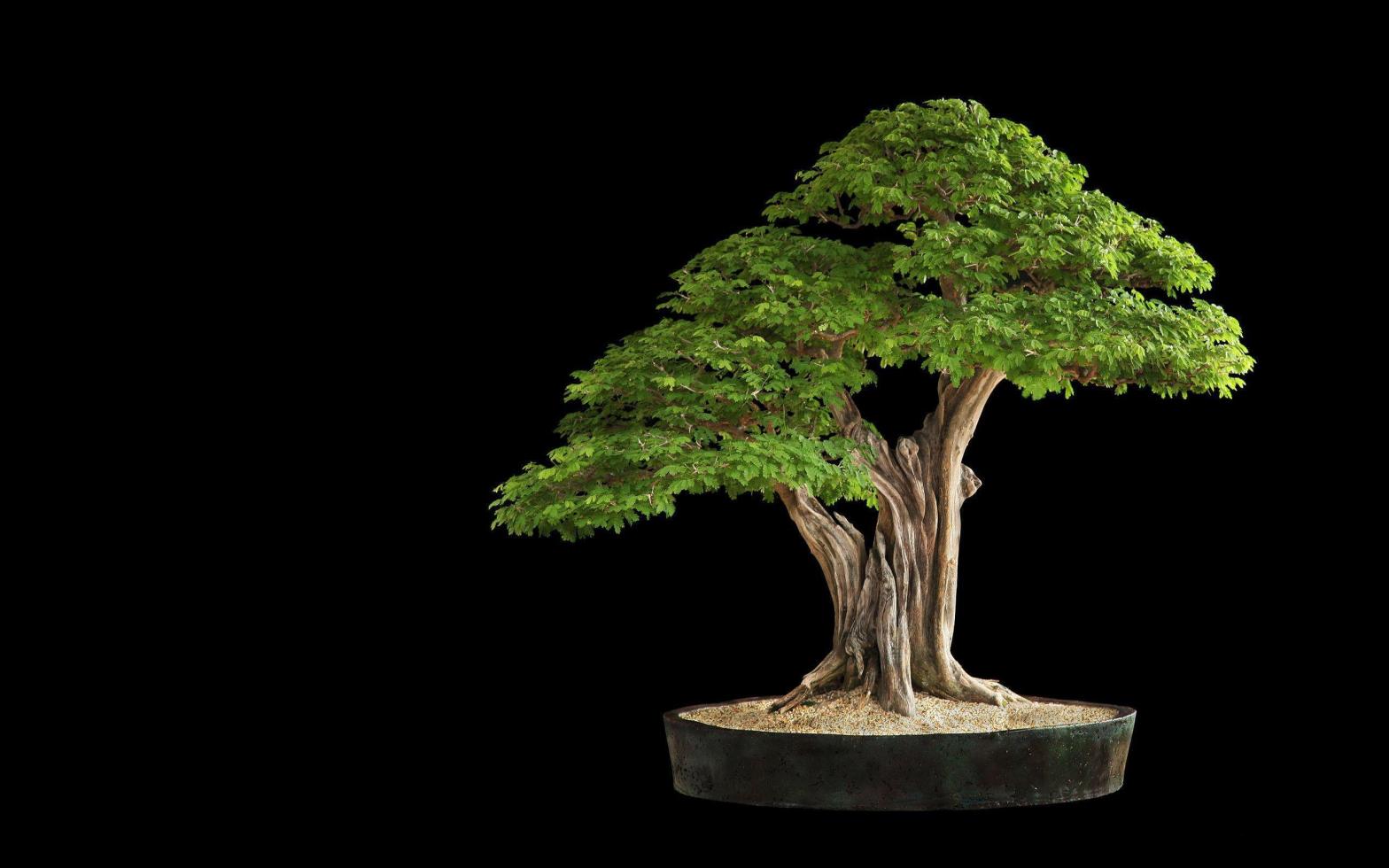
Bonsai trees are known for their beautiful, miniature appearance, which is achieved through careful pruning and shaping. Pruning is the process of selectively removing branches to control the shape and size of the tree. However, pruning is not just about cutting off branches; it requires careful planning and attention to ensure that the tree remains healthy and attractive. In this article, we will discuss how to prune bonsai and the care that should be taken before and after pruning.
Why Prune Bonsai Trees?
There are several reasons why bonsai trees need to be pruned. The primary reasons are:
- To shape the tree: Pruning is used to shape the tree and create the desired form. By removing branches strategically, you can create the illusion of a mature, full-sized tree in miniature form.
- To control the tree’s size: Bonsai trees are small by nature, but they can still grow quite large if left unchecked. Pruning is used to keep the tree small and in proportion with the pot it’s planted in.
- To promote new growth: By removing old or damaged branches, you can stimulate new growth in the tree. This can help to improve the overall health and vitality of the tree.
When to Prune Bonsai Trees?
The timing of pruning depends on the species of bonsai tree and the desired outcome. In general, pruning should be done during the tree’s dormant period, which is typically in the late fall or early winter. This is when the tree is least likely to experience stress from pruning. However, some species of bonsai trees, such as azaleas, should be pruned immediately after they finish blooming in the spring.
Before Pruning: Preparation
Before pruning, there are several steps you should take to prepare the tree and ensure that it is healthy and strong enough to handle the stress of pruning.
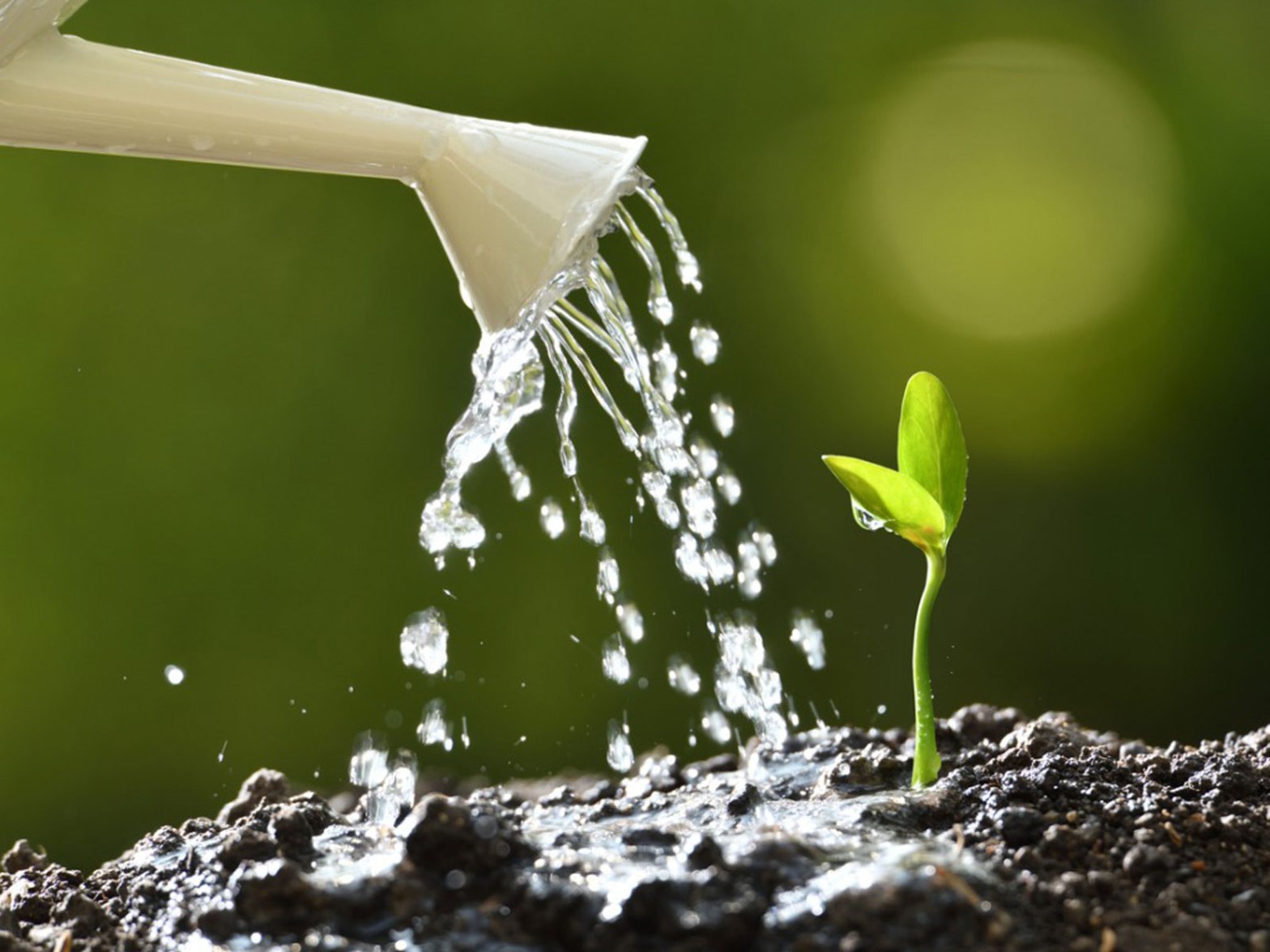
- Water the tree: Water the tree thoroughly a day or two before pruning. This will help to ensure that the tree is well-hydrated and less likely to experience stress during pruning.
- Inspect the tree: Take a close look at the tree and identify any dead, diseased, or damaged branches that need to be removed.
- Gather the necessary tools: You will need a pair of pruning shears or scissors, a concave cutter, and wire cutters. Make sure that your tools are sharp and clean before you begin.
- Prepare the soil: Remove any weeds or debris from the soil, and make sure that the soil is moist and well-draining.
The Pruning Process
Once you have prepared the tree, it is time to begin pruning. The following steps will guide you through the process:
- Choose the branches to be removed: Identify the branches that need to be removed based on your desired outcome. Dead, diseased, or damaged branches should be removed first. Then, you can remove branches that are interfering with the tree’s overall shape.
- Cut the branch: Use the pruning shears or scissors to make a clean cut just above the branch collar. The branch collar is the raised area where the branch meets the trunk. Cutting too close to the trunk can cause damage, while cutting too far away can leave a stub that will take longer to heal.
- Shape the tree: After removing unwanted branches, you can shape the tree by pruning the remaining branches. Use the concave cutter to remove larger branches, making a clean, concave cut to promote healing. Use the pruning shears or scissors to trim smaller branches and leaves.
- Wire the branches: After pruning, you may need to wire some of the branches to help shape the tree. Use wire cutters to cut the wire to the appropriate length and wrap it around the branch, being careful not to
Some additional important tips and information on pruning bonsai:
- Pruning Techniques: There are several pruning techniques used in bonsai, including pinching, pruning back to buds, and directional pruning. Pinching involves removing the tips of new growth with your fingers or bonsai scissors, which can help to create denser foliage. Pruning back to buds involves cutting a branch back to a bud, which will encourage new growth in that direction. Directional pruning is used to direct the growth of a branch by cutting it back to a side branch that is growing in the desired direction.
- Maintenance Pruning: Regular maintenance pruning is necessary to keep bonsai trees healthy and looking their best. This involves removing any new growth that is unwanted, such as shoots that are growing too long or in the wrong direction. Maintenance pruning should be done throughout the growing season, but be sure to avoid pruning too much at once, as this can stress the tree.
- Wiring: Wiring is used to shape the branches of a bonsai tree by gently bending them into the desired position. The wire should be wrapped around the branch in a spiral pattern, starting at the base and working towards the tip. However, be careful not to wire the branches too tightly, as this can damage the bark.
- Aftercare: After pruning, it is important to take care of the tree to ensure that it heals properly. Keep the tree out of direct sunlight and wind for a few days, and avoid watering it for at least a day after pruning. You can also apply a wound sealing paste to any large cuts to help prevent infection.
- Pruning for Different Tree Species: Different bonsai tree species have different growth patterns and pruning needs. For example, conifers should be pruned in the spring or early summer, while deciduous trees can be pruned in the winter. Research the specific needs of your tree species before pruning to ensure that you are doing it correctly.
In conclusion, pruning is an essential part of maintaining a healthy and beautiful bonsai tree. With proper preparation and technique, you can shape your tree and promote new growth while avoiding damage and stress to the tree. Regular maintenance pruning and care will ensure that your bonsai continues to thrive for years to come.






 Green Gardens