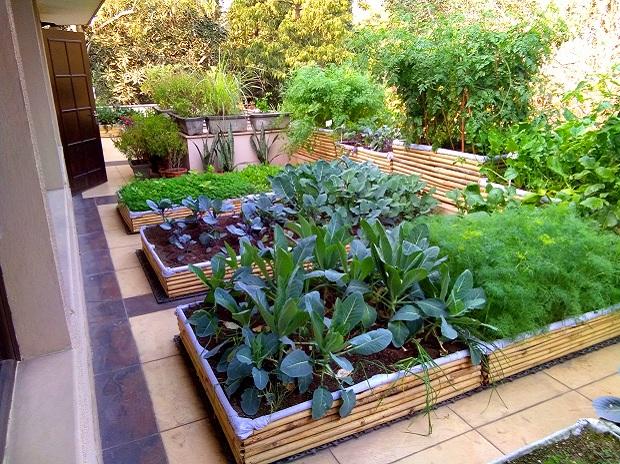
Temporary Kitchen Garden Beds

In today’s world of extreme pollution everyone is trying to make a small garden to feel the touch of nature. And in this context there’s a special mention of inflation which has made kitchen gardening a popular one.

Many people have now stared utilizing their backyard or their garden to evolve it into a small kitchen garden. Those who don’t have such places are even making temporary garden beds.

Nowadays peoples have also started terrace farming and vertical farming which maybe a related idea for kitchen gardens.
What could be grown?

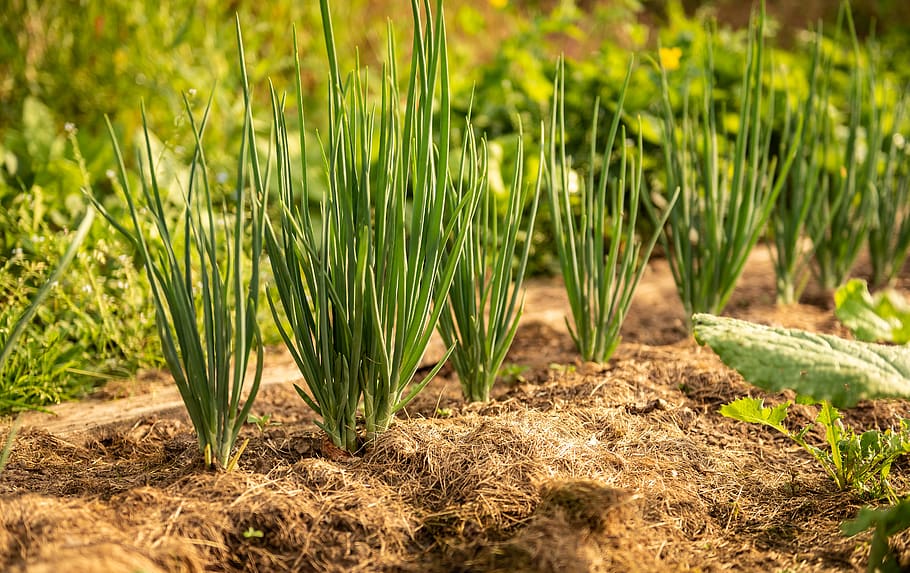
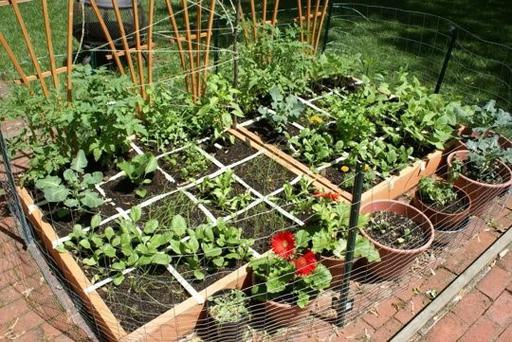
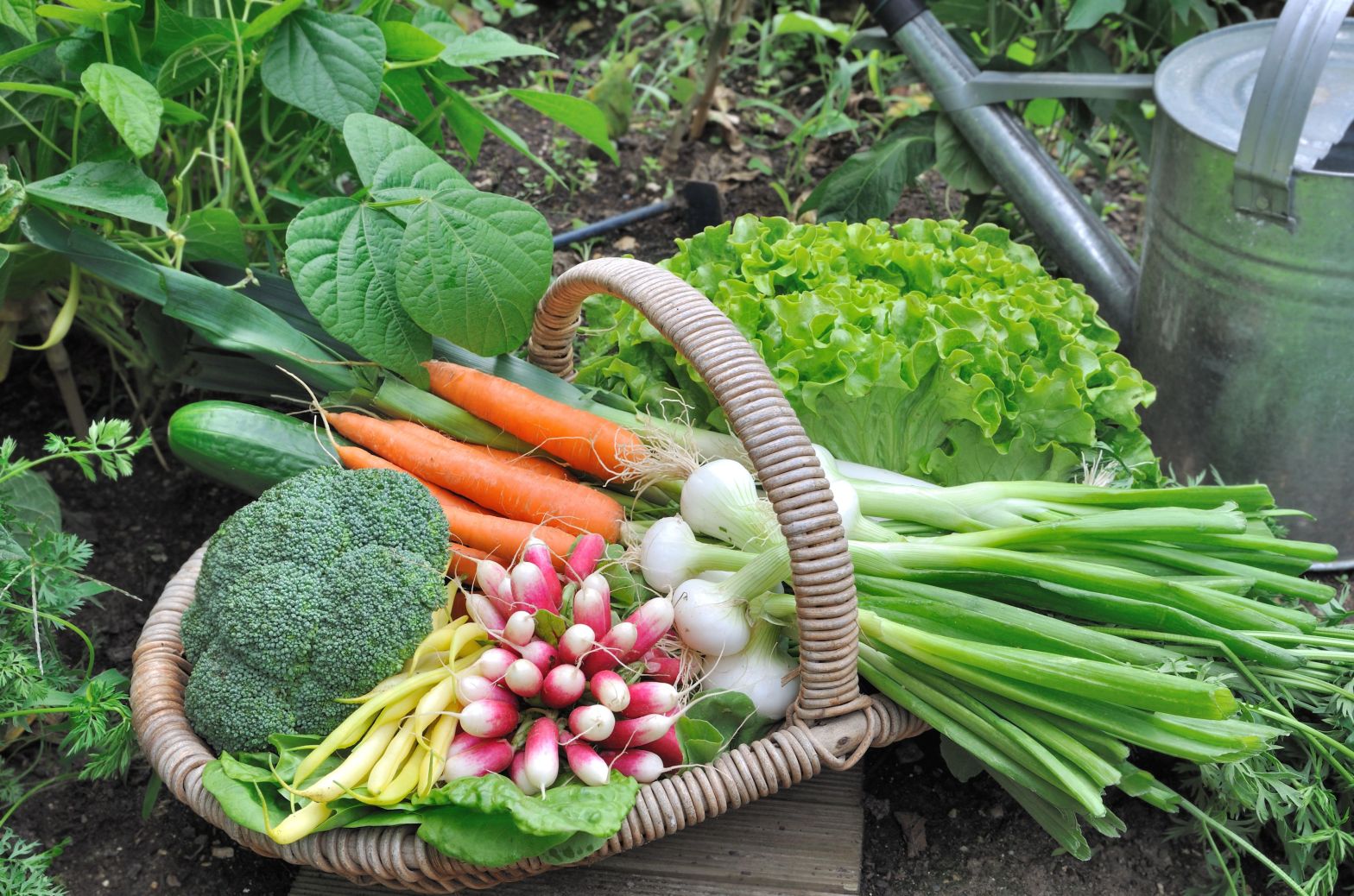
There are a large variety of plants that could be grown in garden beds, most common are pumpkin, eggplant, carrots, radish, beans, onion etc. anyone could also grow a variety of seasonal flowers in the temporary beds. Moreover some medicinal herbs could also be grown.

How to preparing a garden bed:

Kitchen garden beds are mainly for small lifespan plants and hence are temporary in use. For this reason it should be provided with high level of organic manures or nutrition to get a good outcome, even in the long term.

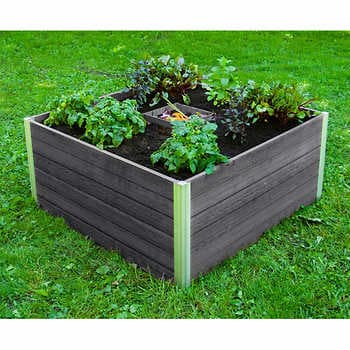
  • Soil: For preparing soil for kitchen gardens you should use organic ingredients. Firstly if you have a bed on ground then take out some soil and put some kitchen wastes in it and cover it up. If you have a bed made as an elevated temporary garden bed then apply a layer of soil then add a layer of kitchen waste and then add another layer of soil on it. And for soil it is better to use compost, vermicompost or cow dung manure.
  • Fertilizers: The use of inorganic fertilizers will have a quick result. But this will not be the best for you, your plants and causes fertility loss. So the best thing will be to go organic. A plant mainly require nitrogen as its macronutrient along with potassium, phosphorus, carbon and also magnesium, zinc, iron in small amounts as micro nutrients. And any one could make an organic mix by decomposing kitchen waste in a jar or drum, and use the liquid as a fertilizer.
  • Pesticides: In case of garden beds pesticides are generally required and for this neem cake mixed with soil is best. One most important problem is ants. For this you may apply any type of ant repellent that doesn’t harm your plants.
  • Precautions: As they are basically small in size the watering must be done in a regular way but never overwater. Refresh the soil with lime and add new nutrients, before every growing seasons.  

So let’s grow a small piece of garden in a temporary bed this summer and comment under to know more. And Follow GreenGardens to stay updated about new tips for your garden.
Kitchen Garden: Utmost Importance In Today’s Life

Today we all are living in a hybrid world of ever increasing technology and population. And this directly or indirectly reducing our standard of livings. Hereby I want to draw the attention only on food products.

As an environmentalist and nature lover we like to think about our earth. But because of the pressure of increasing population and desire to earn more profit farmers have increased the use of inorganic fertilizers and pesticides are add-on to increase the production. This reduces the fertility of soil which results in many natural disasters like soil erosion, landslide, floods and even climate change. But how many are following them or more prominently how many can afford them as increment of profit is possible from quantity not quality.

Many peoples like to include vegetables in their diet, but most of us are fond of junk foods. Apart from that I would like to ask, are we noticing the quality of the food and obviously its origin? The answer will be no for the max and yes for few. 

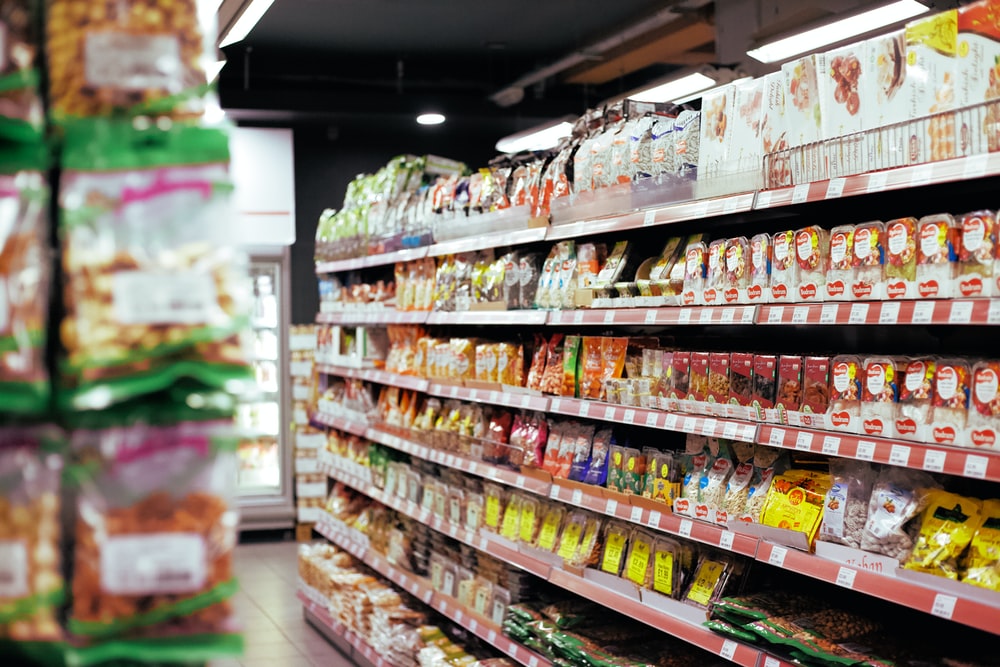
When we visit a supermarket of bargain in a local market we overlook the quality and buy those food products only because of misleading packaging and promotions. And most of the things we eat comes from a far off overseas where welfare and environmental laws are mostly non-existent.

How to produce?

Yes it’s a good question, it will help us to grow public awareness to connect them to the root of the Earth.   A sustainable and good farming landscape needs to do many things. It needs to feed us all affordably, to keep soil healthy, to provide micro-habitats and even protect what is left of precious habitats such as grasslands, rivers, wetlands and woodland. If a farming landscape does all this well already, then it is perhaps enough for us to talk about it being “sustainable”.

For this reason we need to ask for “regenerative” agriculture, which means boosting soil health and encouraging biodiversity by working with natural processes as we grow food. The best process in it is the Permaculture. It also become helpful if there is a use of grazing animals in “mixed” farming systems. Livestock, if well managed, repair soil, trample or eat crop residues and waste, provide fertiliser and control weeds.

So what could be the solution for us?

Solution is also lying amongst us. Here we are in need of self-sufficiency i.e. we need to produce our own food as much as it is possible. And for that we need to have a garden or at least a kitchen garden. There we can grow a variety of vegetables and in different season. Moreover we can get a relive from the harmful effects of pesticides and inorganic fertilizers.    

On the other hand many of us are unable to have a garden because of time or lack of place. Then we should remember that we are the consumer and the goods you buy are based on your demands. For the next time if when you buy food products try to check its production details or ask the seller about it. If you don’t get a satisfactory result then obviously it will have harmful effects. So the best is to order directly from the farmers who cultivate in sustainable way or in permaculture form and they mostly do home delivery too.    

The whole world is in crisis, and to support yourself financially it you can make a garden for your own. 

Connect with me on: