Did You Know Your Plants Dying Because Of Water.

Watering the plants are the most important that we have to do during taking care of a plant. But many of us who are beginners here don’t know that they have to water the plants( not joking some peoples have asked me does they really have to water their plants). But apart from that many who are regular gardeners also sometime misconcept about watering. They overwater or underwater which results in plants death. So for those of you I have decided to write this, and give you some knowledge about how to water your plants properly.

Myths in Watering:

  • Water your plants everyday.
  • Water your plants until it oozes out.
  • Water in day, not at night.
  • Don’t water in summer afternoon.
  • Don’t water over the plants.
  • Water less in winter.
  • Use fresh water for the plants.

How to Water My Plant?

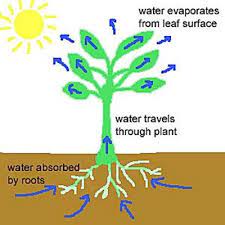
In case of watering everyone should be flexible that is you must have to look upon your plants and understand them and water them only when they are required to, not more not less. There are some plants those require a lot of water whereas some could not tolerate a very less water. So it is also necessary to know about the water requirements of the plants. Again according to the situation watering should be changed in hot summers we need to water regularly than in rains or during transplantation there should a sufficient amount of water such that it does not wilt.
Are the Myths Correct?

Some are correct, but all are not. Listening to anyone else without doing a homework about the matter is foolish. I would suggest to know your plant and about your plant and you will be self sufficient about what to do and when.

How to check that a plant need water?

It is really hard for many of us to know whether a plant needs water or not, for this a simple trick is finger dip method. In this method you can dip your finger into the soil up to half a inch and see whether it is wet inside or not then you can easily avoid overwatering or underwatering. This will help you to grow a very good experience about the matter.

How to know you have Overwatered or Underwatered your plants?

Both overwatering or underwatering for a long period is deadly for the plant. So the first thing to do is to regularly check the soil. A wet soil is dark in colour and it must be loose and clayey. But on the other hand dry soil will be of lighter shade and hard. On the plant you could also see the effect, in overwatering the plant will be rotting specially the leaves and lower part of the shoot. Whereas in case of underwatering plants will firstly wilt, then the leaves will be yellow and shed the leaves and the shoots will be dried out towards the tip(away from the base). A fact is that in case of overwatering it affects the bottom part of the shoot (radical) whereas the underwatering affects tips of stems.

What are the remedial measures of Over or Underwatering?

For overwatering, first stop watering and keep your plant in place with plenty of sunlight. And if rot has started apply fungicides on and around the rot.

In case of underwatering give it a sufficient amount of water and place it in a moist and cool area away from sunlight for some days.

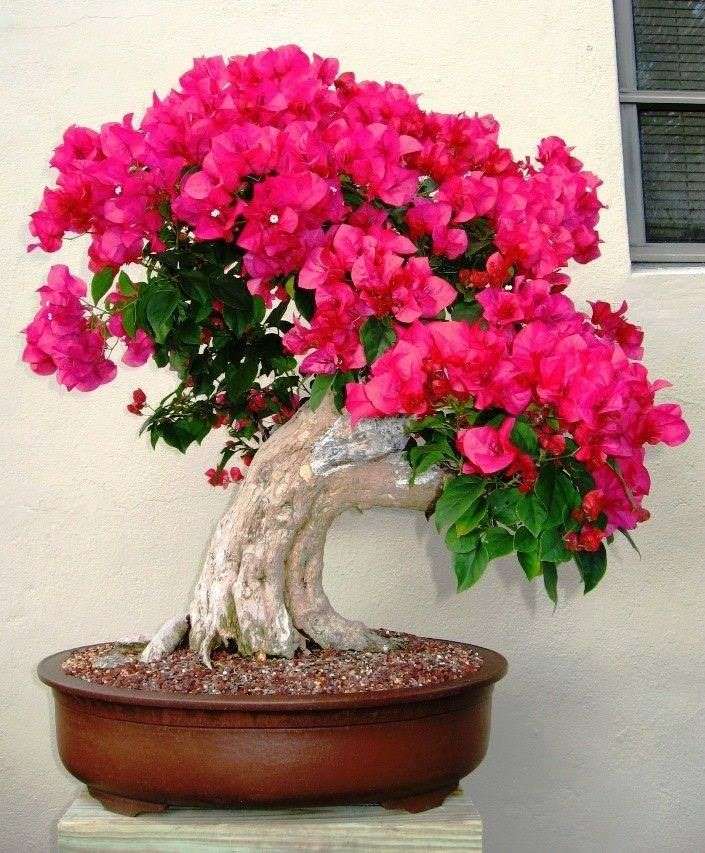
Bougainvillea: The Beauty of Your Garden

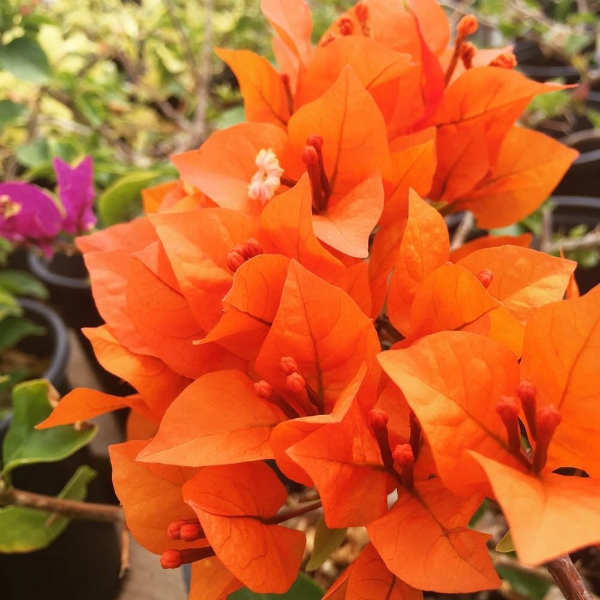
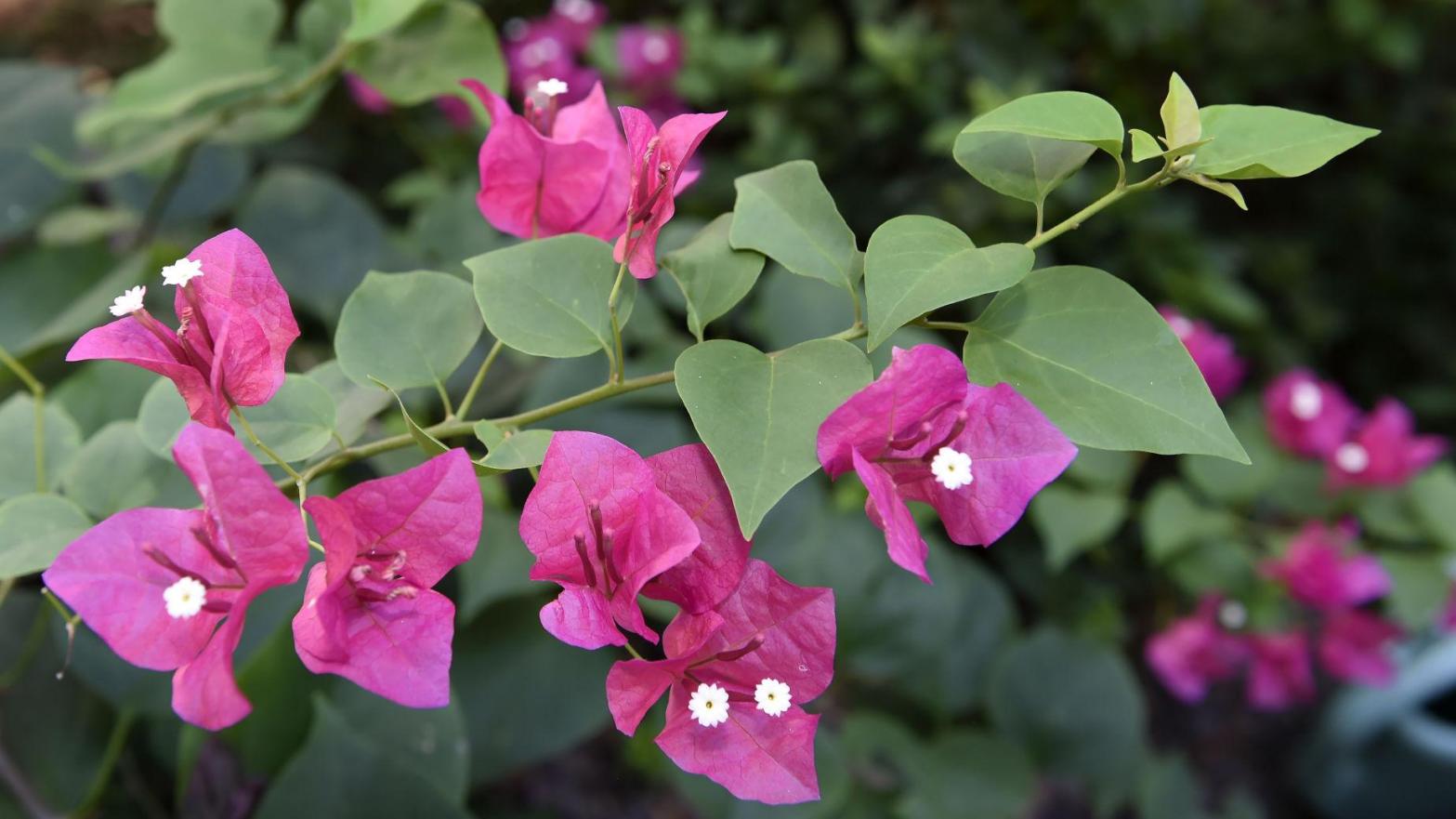
This tropical plant is one of the common and best easy growing bonsai plants which looks tantalizing when it has a full tree bloom. It will just give your garden royal touch. Here underneath you could know everything about your bougainvillea. if you are a beginner this is a jewel and if an expert, there is for you too.  

Landscaping with Bougainvillea

Climate: This plant could thrive well in temperate as well as tropical regions. It blooms at a low temperature so in the temperate region it blooms throughout the year but in the tropical regions it flowers around the winter season.

Temperature: Though this plant is cold loving plant it could grow in a long range of temperatures. About 5 to 45 ⁰C.

Yellow Bougainvillea

Soil: This plant loves an acidic type of soli. But it could not tolerate staged water so the soil must be well drained.

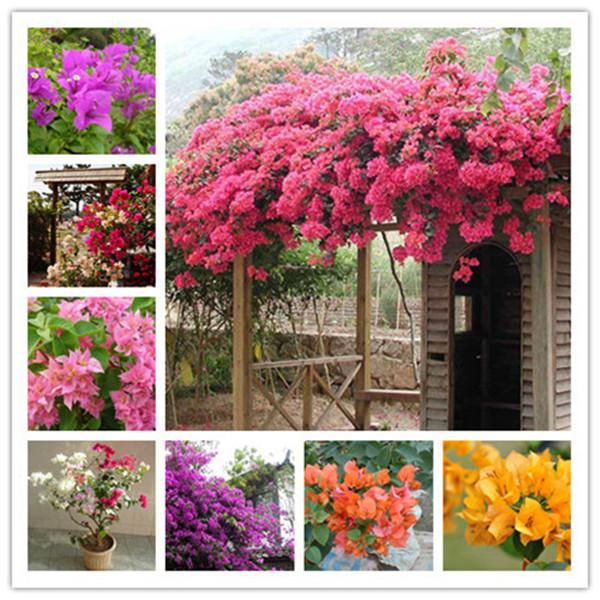
Species: More than 80 species of different colours are there of bougainvillea.

Varieties of Bougainvillea

Sunlight: This plant could be grown over a long range of temperature regions so the sunlight requirements are different according to regions. In low temperature regions providing of full sunlight is better but in the high temperature regions providing a partial sunlight prevents wilting. In blooming season, it requires at least 5-8 hours of direct sunlight.

Watering: Water should be provided regularly but overwatering should not be done. During the flowering the watering should be lowered or it flower less and grow more. (except in high temperature region where there is a risk of wilting)

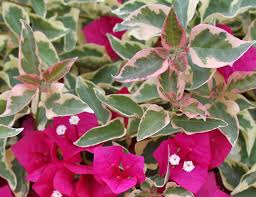
Variegated Red Bougainvillea

Terrain: Always loosen the soil around the trunk to make the soil airy, whether it is in ground or in a container pot. This also helps preventing water lodging problem in soil.

Pruning: bougainvillea is a hard wood type variety. So, it can be grown as a long tree structure as well as in bonsai form. For long structures pruning is only necessary for keeping the plant in a desired shape. But for bonsai both shoot and root pruning are necessary to control the shape and size of the plant.

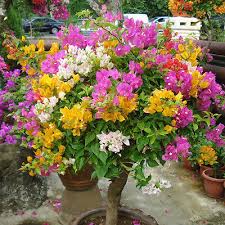
Mixed variety by Grafting

This plant mostly requires a hard pruning after every flowering and a little once a month. Moreover, it should be taken care that the main root of the tap root system be pruned before planting in a pot and should be repoted once in 2-3 years according to the size of the pot.

Fertilizer: each and every plant require Nitrogen Phosphorus Potassium to grow and flower and this is also same. Other than this some micronutrients are required from time to time according to the plant conditions. For knowing the basic fertilizer click here.

Other than this sometimes there arises a problem of Growth Retardation for which the best is gibberellic acid which could be found inorganic in market or in water in which cow dung cakes are drowned for at least 7 days.

Crimson Bougainvillea

During repotting a mixture of vermicompost 40%, used tea/coffee leaf 20%, neem cake 20%, bone meal10%, horn meal 5%, egg shell5% could also provide a good result for long time. Here I will recommend to reduce the use of inorganic fertilizers as in the long run it will harm your plants and the unused remaining, by the plant in the soil, will harm the nature.

Pesticides: there is a benefit that this plant seldom attacked by pests and if attacked then it can be easily get rid of by spraying neem oil or providing neem cake in the soil. For Fungus attack you can use any antifungal spray or powder available in the market.

For any further query about your bougainvillea plant comment here.

Temporary Kitchen Garden Beds

In today’s world of extreme pollution everyone is trying to make a small garden to feel the touch of nature. And in this context there’s a special mention of inflation which has made kitchen gardening a popular one.

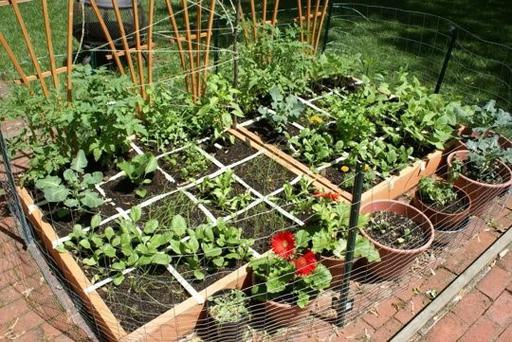
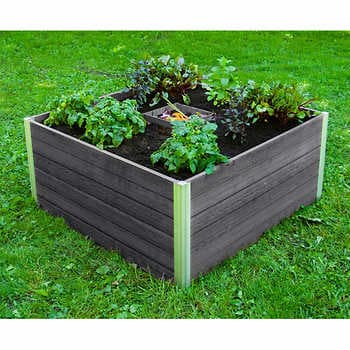
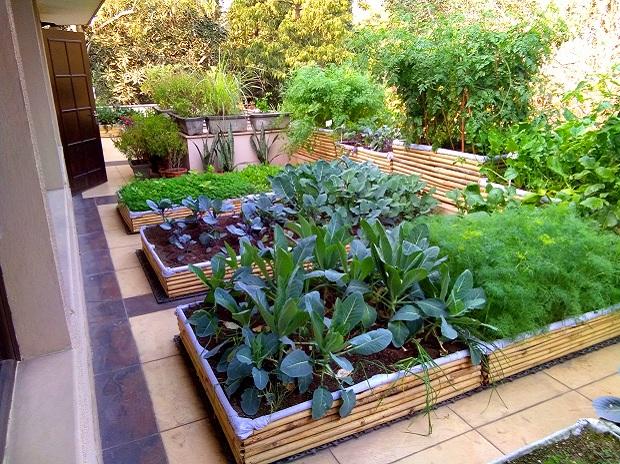
Many people have now stared utilizing their backyard or their garden to evolve it into a small kitchen garden. Those who don’t have such places are even making temporary garden beds.

Nowadays peoples have also started terrace farming and vertical farming which maybe a related idea for kitchen gardens.

What could be grown?

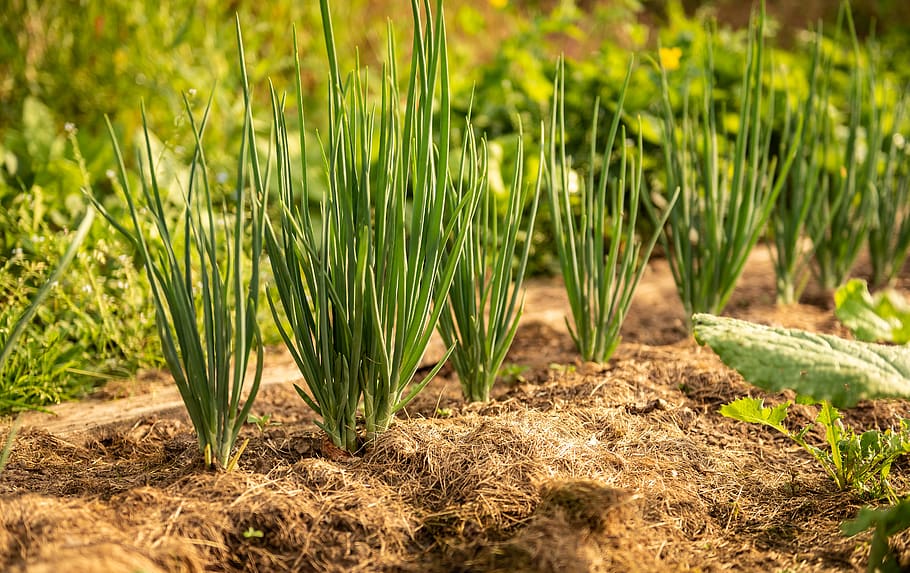
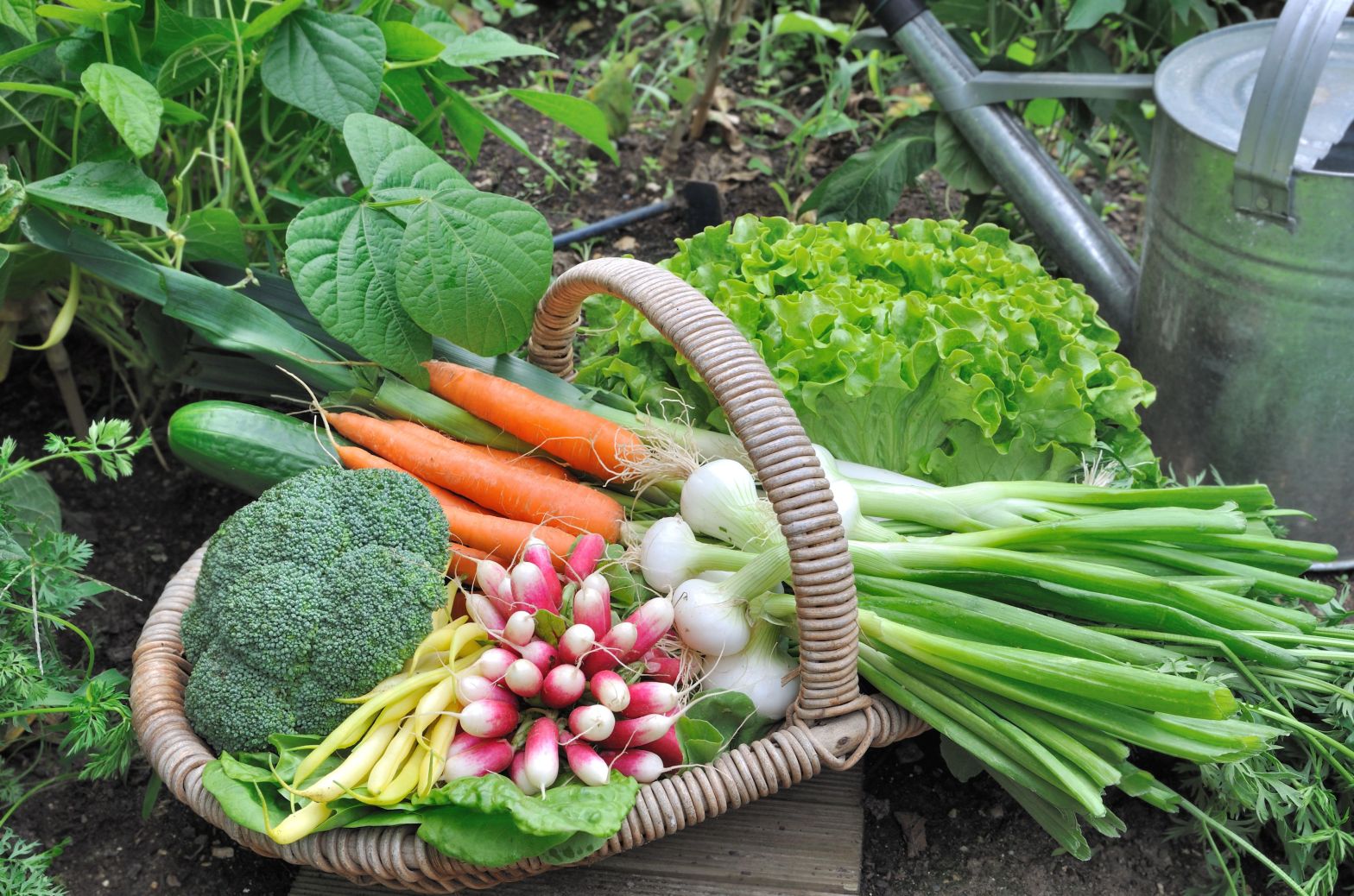
There are a large variety of plants that could be grown in garden beds, most common are pumpkin, eggplant, carrots, radish, beans, onion etc. anyone could also grow a variety of seasonal flowers in the temporary beds. Moreover some medicinal herbs could also be grown.

How to preparing a garden bed:

Kitchen garden beds are mainly for small lifespan plants and hence are temporary in use. For this reason it should be provided with high level of organic manures or nutrition to get a good outcome, even in the long term.

  • Soil: For preparing soil for kitchen gardens you should use organic ingredients. Firstly if you have a bed on ground then take out some soil and put some kitchen wastes in it and cover it up. If you have a bed made as an elevated temporary garden bed then apply a layer of soil then add a layer of kitchen waste and then add another layer of soil on it. And for soil it is better to use compost, vermicompost or cow dung manure.
  • Fertilizers: The use of inorganic fertilizers will have a quick result. But this will not be the best for you, your plants and causes fertility loss. So the best thing will be to go organic. A plant mainly require nitrogen as its macronutrient along with potassium, phosphorus, carbon and also magnesium, zinc, iron in small amounts as micro nutrients. And any one could make an organic mix by decomposing kitchen waste in a jar or drum, and use the liquid as a fertilizer.
  • Pesticides: In case of garden beds pesticides are generally required and for this neem cake mixed with soil is best. One most important problem is ants. For this you may apply any type of ant repellent that doesn’t harm your plants.
  • Precautions: As they are basically small in size the watering must be done in a regular way but never overwater. Refresh the soil with lime and add new nutrients, before every growing seasons.  

So let’s grow a small piece of garden in a temporary bed this summer and comment under to know more. And Follow GreenGardens to stay updated about new tips for your garden.

Kitchen Garden: Utmost Importance In Today’s Life

Today we all are living in a hybrid world of ever increasing technology and population. And this directly or indirectly reducing our standard of livings. Hereby I want to draw the attention only on food products.

As an environmentalist and nature lover we like to think about our earth. But because of the pressure of increasing population and desire to earn more profit farmers have increased the use of inorganic fertilizers and pesticides are add-on to increase the production. This reduces the fertility of soil which results in many natural disasters like soil erosion, landslide, floods and even climate change. But how many are following them or more prominently how many can afford them as increment of profit is possible from quantity not quality.

Many peoples like to include vegetables in their diet, but most of us are fond of junk foods. Apart from that I would like to ask, are we noticing the quality of the food and obviously its origin? The answer will be no for the max and yes for few. 

When we visit a supermarket of bargain in a local market we overlook the quality and buy those food products only because of misleading packaging and promotions. And most of the things we eat comes from a far off overseas where welfare and environmental laws are mostly non-existent.

How to produce?

Yes it’s a good question, it will help us to grow public awareness to connect them to the root of the Earth.   A sustainable and good farming landscape needs to do many things. It needs to feed us all affordably, to keep soil healthy, to provide micro-habitats and even protect what is left of precious habitats such as grasslands, rivers, wetlands and woodland. If a farming landscape does all this well already, then it is perhaps enough for us to talk about it being “sustainable”.

For this reason we need to ask for “regenerative” agriculture, which means boosting soil health and encouraging biodiversity by working with natural processes as we grow food. The best process in it is the Permaculture. It also become helpful if there is a use of grazing animals in “mixed” farming systems. Livestock, if well managed, repair soil, trample or eat crop residues and waste, provide fertiliser and control weeds.

So what could be the solution for us?

Solution is also lying amongst us. Here we are in need of self-sufficiency i.e. we need to produce our own food as much as it is possible. And for that we need to have a garden or at least a kitchen garden. There we can grow a variety of vegetables and in different season. Moreover we can get a relive from the harmful effects of pesticides and inorganic fertilizers.    

On the other hand many of us are unable to have a garden because of time or lack of place. Then we should remember that we are the consumer and the goods you buy are based on your demands. For the next time if when you buy food products try to check its production details or ask the seller about it. If you don’t get a satisfactory result then obviously it will have harmful effects. So the best is to order directly from the farmers who cultivate in sustainable way or in permaculture form and they mostly do home delivery too.    

The whole world is in crisis, and to support yourself financially it you can make a garden for your own. 

Connect with me on:

Organic Gardening —

Organic Gardening —

Organic gardening was the only way of gardening before chemicals and pesticides arrived to ‘help’ our crops along. Unfortunately there are side effects to many of the chemical products – in fact there are side effects with most of them, although some less harmful than others.

Organic gardening was the way of the past and hopefully it will be the way of the future, as we learn more about the damage we are causing to our environment.

Organic fruit and vegetables can be more expensive than un-organic produce, and it pays therefore to be producing our own food as much as we possibly can. Unless you have a large area of land, including polytunnels and greenhouses, and perhaps an army of gardeners to do a lot of the work for you, it’s unlikely you will be able to grow the variety of fruit and veg you are used to buying.

However, there are many different fruits, vegetables, herbs and even edible flowers we can grow in an average sized garden, and in a few hours every week, organic food can be included in the diet for all the family, however addicted to burgers, fries and chocolate buttons they are!…

 View Original Post

Organic Gardening —

Are you doing this to your Plants (Bonsai)?

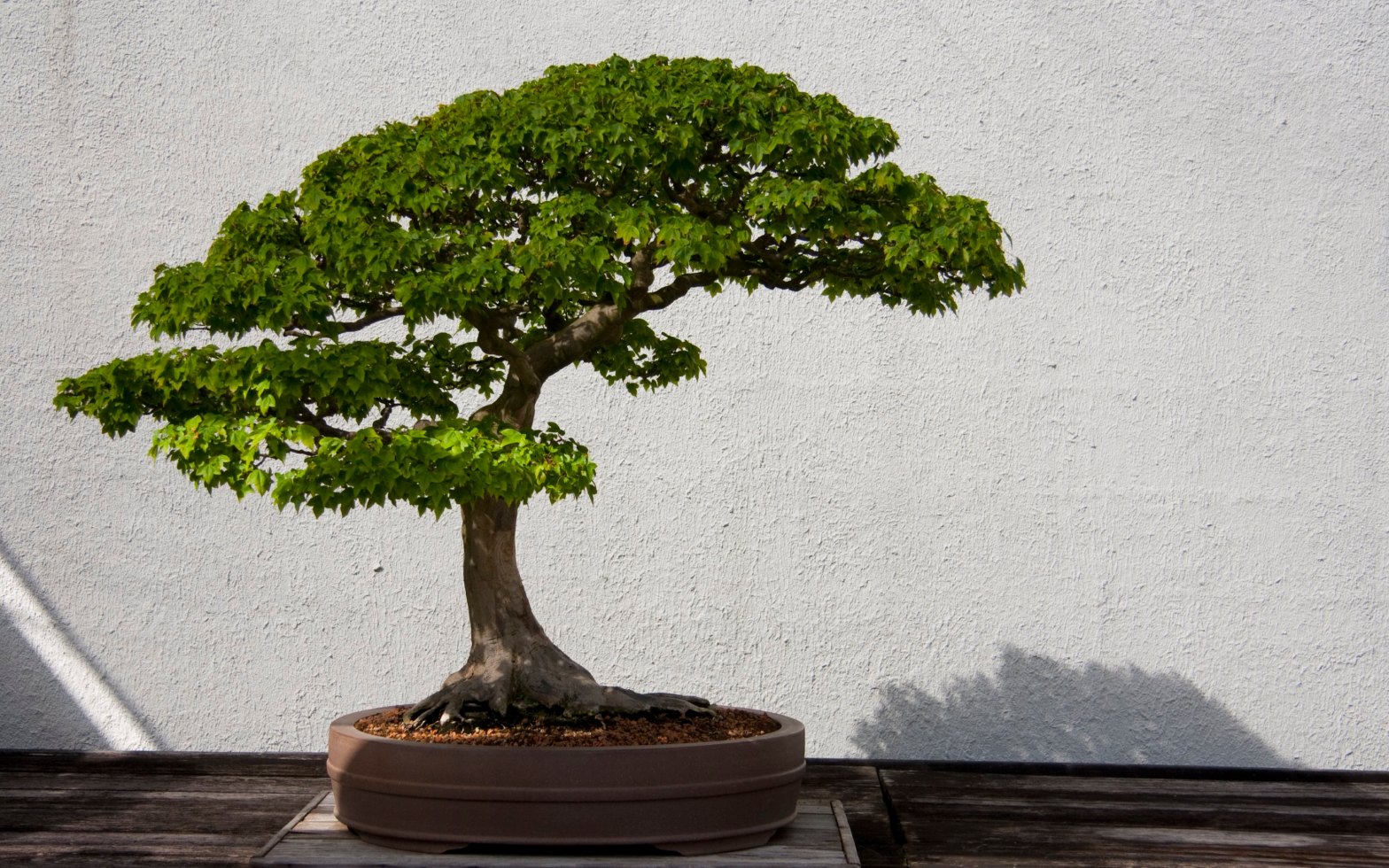
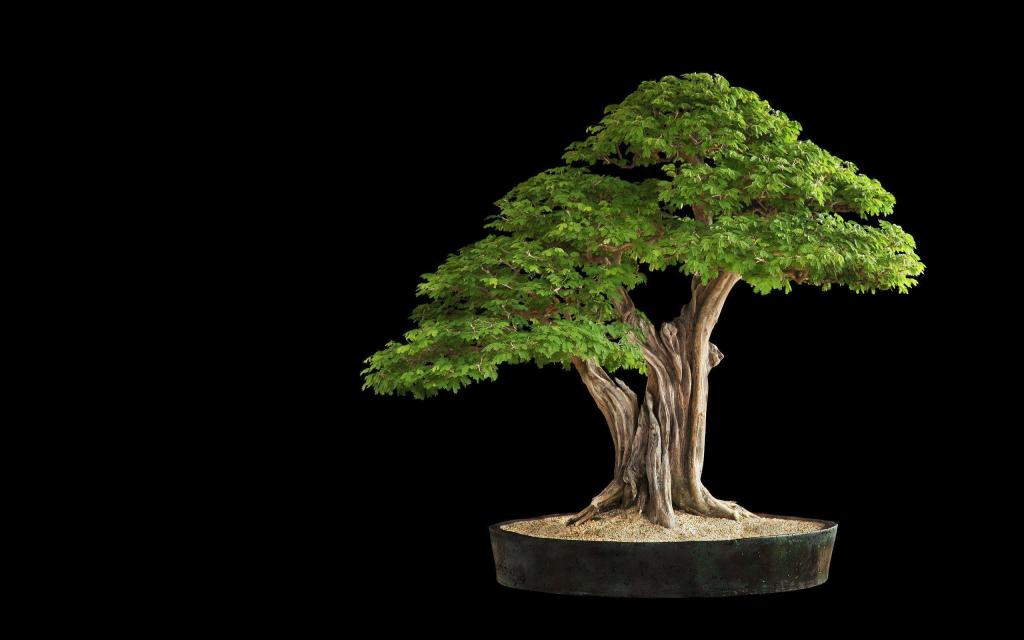
Bonsai is one of the oldest art form of humankind. Though it simply means the art of growing ornamental, artificially dwarf variety of trees and shrubs in pots. But it’s not so easy to grow a bonsai from beginning. After reading this it will be easy for you to make a cool bonsai plant.

Choosing a plant

For making a beautiful bonsai your first work is to choose a plant. For which there are some criteria, such as 

  • The Climate you live in: Climate is the most important factor. You can’t grow a deciduous plant in very hot temperature, or can’t grow an evergreen in extreme cold.
  • Variety of Plants: For beginners it is better to choose dwarf variety plants. But obviously bonsai made with tall variety plants looks gorgeous.
  • Leaves: If you can choose a small leaf variety plant it will look better later. Though you can reduce the leaf size of your plant afterwards.
  • Sunlight: Those plants that require a low sunlight will be difficult to grow in high sunlight areas.
  • Pots: Flat pots are best to grow bonsai. It gives a vintage look.

There are much more but for starters it’s necessary.

How should you care your plant?

“Time and patience are the only thing you need for transforming your regular plant into a bonsai. “

Different plants have different ways to take care about. You should have proper knowledge about your plant you are trying to grow. 

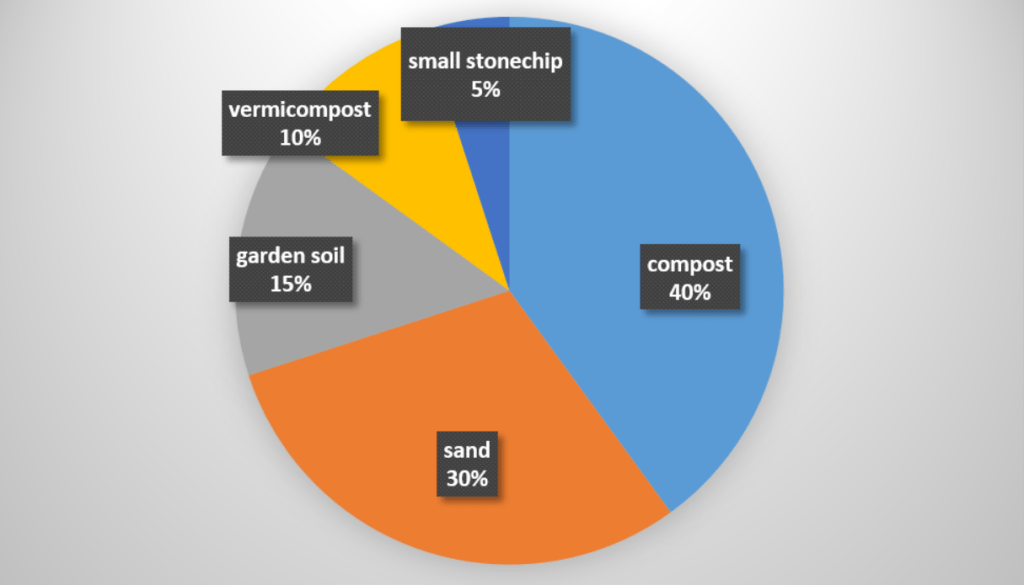
  • Soil: For most of the beginners soil is the most difficult things to choose. Now it depends on what type of plant you are growing. But as a common there should be well drainage. You may use the mixture of approximately 40%compost, 10% vermicompost, (20-30)%sand, 5%small stone chips ( under 10 mm), and (15-25)% garden soil.
  • Drainage: Usually we grow our bonsai in small pots so there should be a well drainage system such that the roots doesn’t rot. For which you have to make holes (as per your pot size) and keep some stone chips on it to make sure it doesn’t cloak.
  • Sunlight: Now sunlight is a big deal for shade lovers you need to grow them not under direct sunlight obviously. But for some plants for which you want to reduce leaf size, you should leave it under direct sunlight such that it could be able to create its required form in small part of its leaf and will not increase its length.
  • Watering: For less rainfall months you need to water regularly. But don’t overwater them. Rather water them twice. And for high rainfall months you should water them when it requires. And sometimes dry up the soil to avoid root rot.

Advanced care

  • Fertilizers: You need to study about your plants what they require. But for bonsai you need to give less fertilizers so as it get stout not grow fast. Sometimes you may use slow fertilizers like bone dust, horn dust or egg shell You should avoid nitrogen base fertilizer and use carbon or potassium based ones. But don’t overfeed them.
  • Root Pruning: You are growing your plants in a pot so you do loosen roots by dig the soil once a month. And in the middle of rainy season you pluck the plant with soil. Trim the roots or rearrange it and again plant it. Don’t disturb the roots too much. You may repot them during this time. And keep watering it daily after this for some days.
  • Shoot Pruning: There are different designs to make with your plants. And for this pruning your stems are important. So whenever you prune keeping mind that cut just over a node or internode, such that it will grow its stem from there. And look that you should cut over a node which is facing the direction in which you want to let it go.
  • Wiring: Sometimes we require to further design our plants. In that case use 6mm aluminium or copper wire but not iron. It is greatly recommended that do the wiring with hand so that you can know the rigidity and strength of the stem, such that it doesn’t break.

Medicines

Pesticides are more or less required to all plants and as per requirements use it over your plants. But what I do is, I have made some neem tree bonsai and kept it in my bonsai collection and for that reason insects are less attracted. Other than neem you may plant any such types of medicinal plants. 

And lastly you should have patience and love for your plants and work you are doing for your plants.

Now it’s very difficult to elaborate everything in one article so to know more follow my website Green Gardens and comments if you have any questions about your bonsai.

Connect with me on: