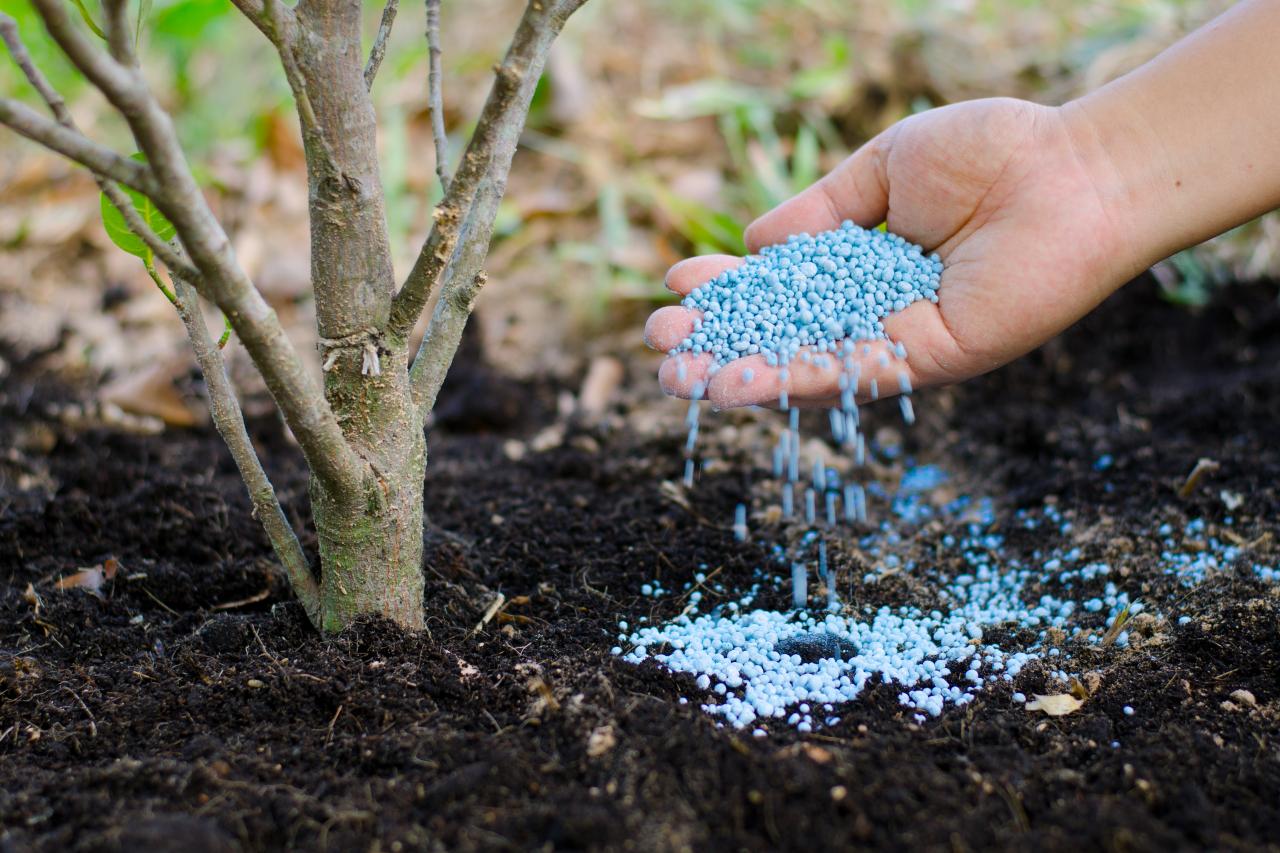
What your plant eats is mainly dependent on what is the current requirements of your plant. So before providing any fertilizer you must have a clear knowledge about what your plant needs.
What does your plant needs?
The fertilizers you provide is not used by the plant in the similar forms you give. They are stored and used up in the process of photosynthesis. Now the mineral requirements of a plant could be divided into two categories that are those Macronutrients and Micronutrients.
Macronutrients:
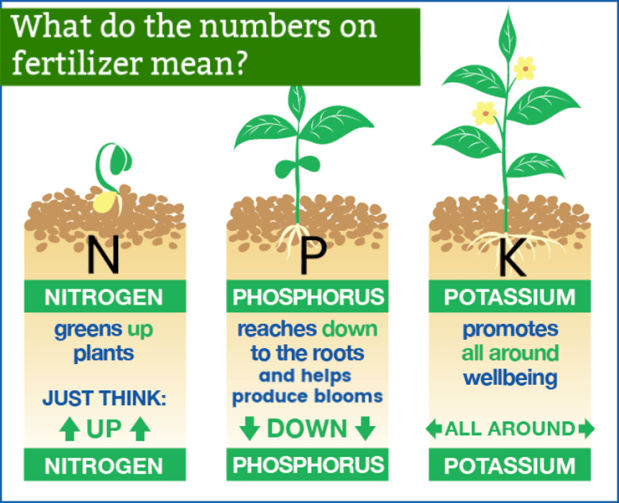
Nitrogen, Phosphorus, Potassium. These are the elements which are used up by the plants in higher amounts. These components mainly helps in growth, flowering and fruiting of a plant. Though the requirements of these elements are different for different plants, but the deficiency may lead to rickets as well as death of your plants.
Micronutrients:
These are the elements which are used up by the plants in lesser amounts. Such as Calcium, Magnesium, Sulphur, Manganese, Iron, Copper, Zinc, Boron, Molybdenum, Chloride. The main job of these nutrients is enzyme activation. To some special plants it gives rigidity to cell wall, supply proteins and chlorophylls. For some plants Calcium, Magnesium, Sulphur also acts as macronutrients.
Other elements:
Cobalt, Vanadium, Sodium, Silicon. These are some of the other elements required for some particular species of plants.
To know more about the mineral elements follow/ subscribe this site and stay tuned click here.
Where to get this minerals for your plants?
Now the question is what should you give to plants such that they will get the most of these required nutrients. So you may give inorganic fertilizers which are element specific as well as combined ones. These are easy to use and have a quick effects on plants. But you should remember that these inorganic fertilizers most deadly to your plant in the long term. This reduces the soil capacity to hold nutrients and clearly have an effect on your plant, these have many side effects to your garden and over dosage may be deadly. Again for some urgent need it’s not bad to use these inorganics in your garden especially for the seasonal flowers. But overall I would recommend you not to use the inorganics but to stick to the organic alternatives.
Organic fertilizers:
A large number of organic fertilizers are available in the market for your plants, most common are compost, vermicompost, mustard cake, etc. these all performs very well for every plants. Though these are some slow but it hardly have any side effect or have any problems on over dosages.
If you have a little space and some time you can get a continuous supply of organic fertilizer at home completely free. Now I will explain how I made fertilizer at home.
Equipment: The only thing you require are two buckets one is slightly smaller than the other such that one fits at the top of the other keeping some hollow space down. Just as explained in diagram. Now make some small holes at the base of the bucket which is bigger i.e. which will be kept above. And your equipment is ready. Now arrange as shown in the diagram.
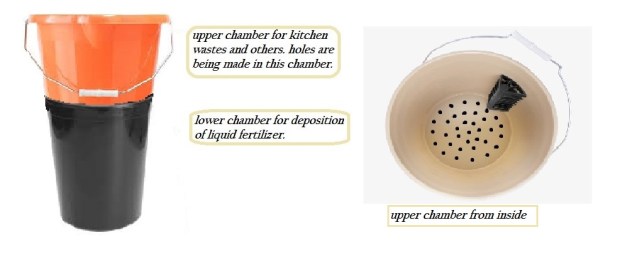
Procedure: Then put a little bit of mud inside the bucket you made holes. Now it’s obvious that you every day have some kitchen wastes, garden wastes, like leaves and other rotten things from your garden which you have to put it in that bucket. Don’t use cooked foods or non-veg items in it. Fill it when you see that the volume of these waste have lowered after decomposing for some days. For quick decomposition apply 1 spoon of curd or yogurt in it. After 2 to 3 days you will see that your fertilizer is available in the lower bucket.
Dosage: You have to dilute it 100ml approx. for 1 liter water and apply to plants once in 15 days.
Benefit: This liquid is mainly rich in N-P-K and will be acting as macronutrients.
N – Synthesis of proteins and part of chlorophyll molecule.
P – Energy transfer.
K – Carbohydrate metabolism, water relations.
Now I had mentioned plants need some micronutrients for which the most recommendable is the seaweed extracts, which is a fully organic source of micronutrients. It is mainly formed from the seaweeds and corals, by making paste or liquids. You must use this but use in less amount mentioned by the brand on the pack.
But as mentioned you firstly required to have a complete knowledge what you unique plant is currently asking for. Hope you will benefit from this for any query comment here. Similar important tips are going to be published on pesticides, so Follow to stay updated about new tips for your garden.
 Green Gardens