Bougainvillea: The Beauty of Your Garden

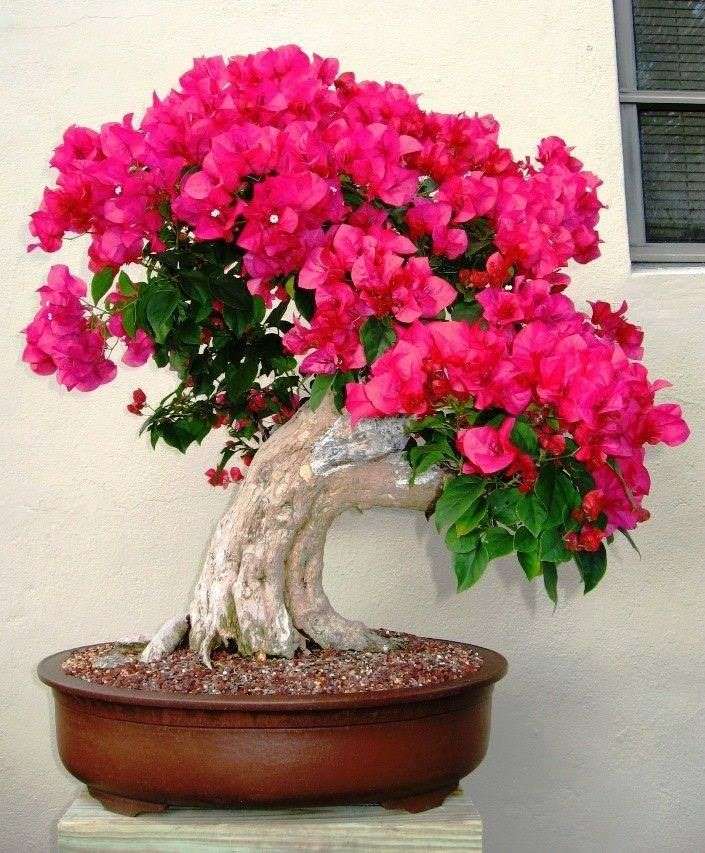
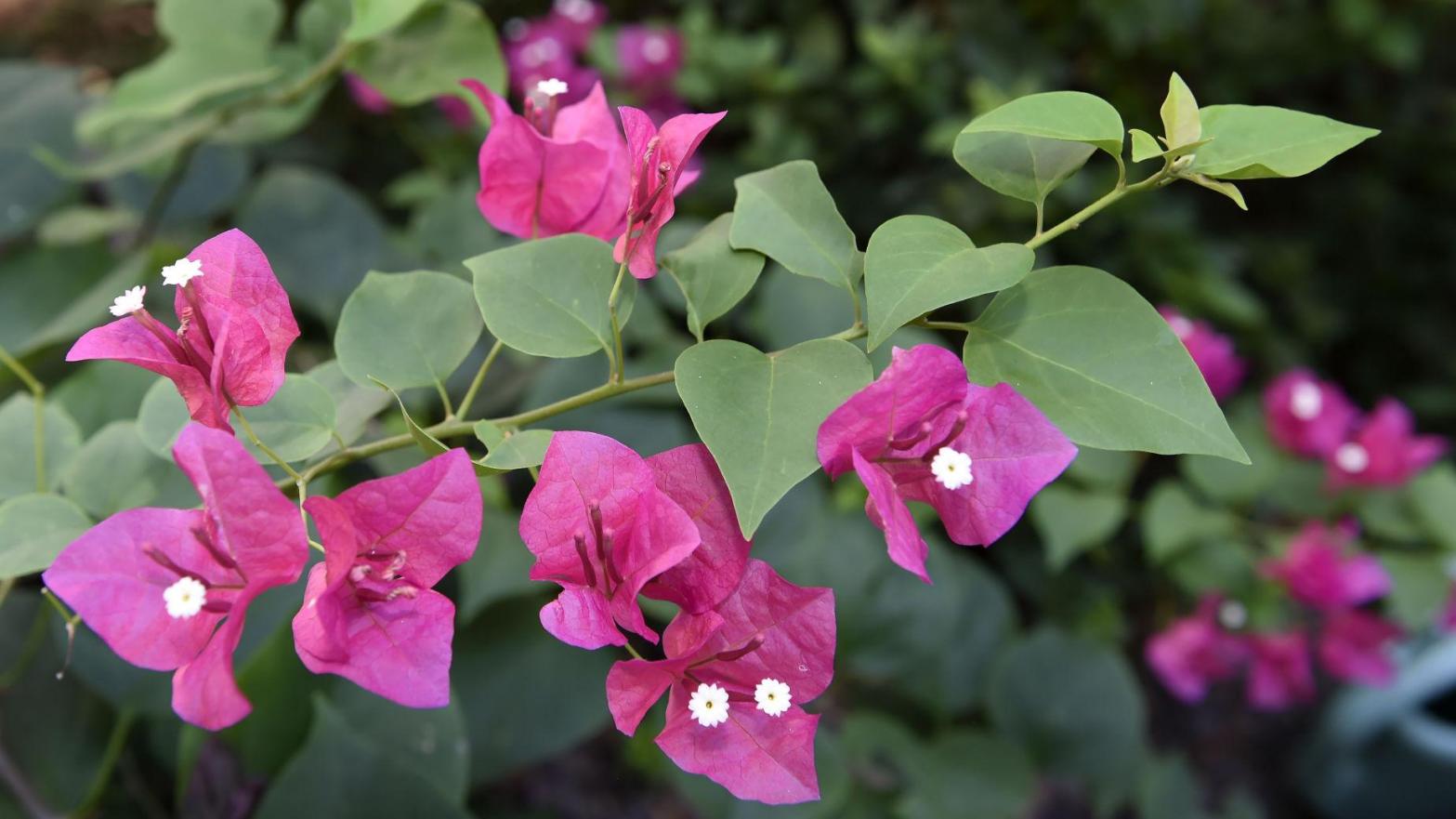
This tropical plant is one of the common and best easy growing bonsai plants which looks tantalizing when it has a full tree bloom. It will just give your garden royal touch. Here underneath you could know everything about your bougainvillea. if you are a beginner this is a jewel and if an expert, there is for you too.  

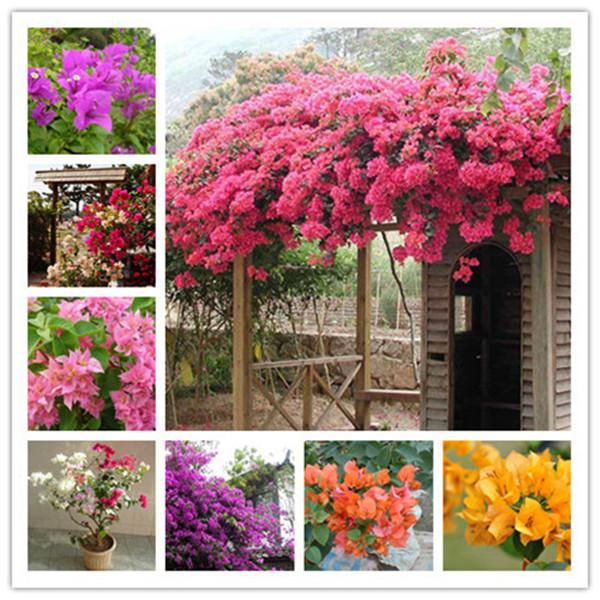
Landscaping with Bougainvillea

Climate: This plant could thrive well in temperate as well as tropical regions. It blooms at a low temperature so in the temperate region it blooms throughout the year but in the tropical regions it flowers around the winter season.

Temperature: Though this plant is cold loving plant it could grow in a long range of temperatures. About 5 to 45 ⁰C.

Yellow Bougainvillea

Soil: This plant loves an acidic type of soli. But it could not tolerate staged water so the soil must be well drained.

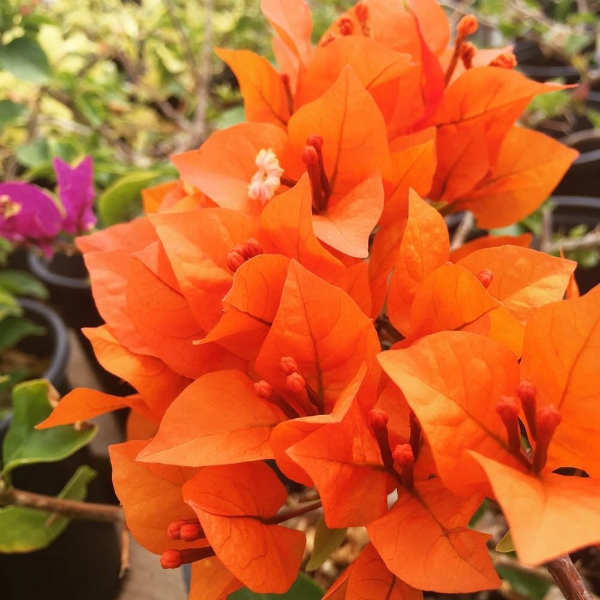
Species: More than 80 species of different colours are there of bougainvillea.

Varieties of Bougainvillea

Sunlight: This plant could be grown over a long range of temperature regions so the sunlight requirements are different according to regions. In low temperature regions providing of full sunlight is better but in the high temperature regions providing a partial sunlight prevents wilting. In blooming season, it requires at least 5-8 hours of direct sunlight.

Watering: Water should be provided regularly but overwatering should not be done. During the flowering the watering should be lowered or it flower less and grow more. (except in high temperature region where there is a risk of wilting)

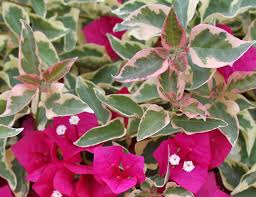
Variegated Red Bougainvillea

Terrain: Always loosen the soil around the trunk to make the soil airy, whether it is in ground or in a container pot. This also helps preventing water lodging problem in soil.

Pruning: bougainvillea is a hard wood type variety. So, it can be grown as a long tree structure as well as in bonsai form. For long structures pruning is only necessary for keeping the plant in a desired shape. But for bonsai both shoot and root pruning are necessary to control the shape and size of the plant.

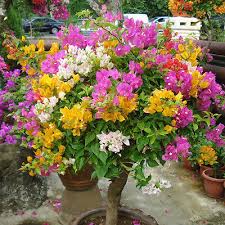
Mixed variety by Grafting

This plant mostly requires a hard pruning after every flowering and a little once a month. Moreover, it should be taken care that the main root of the tap root system be pruned before planting in a pot and should be repoted once in 2-3 years according to the size of the pot.

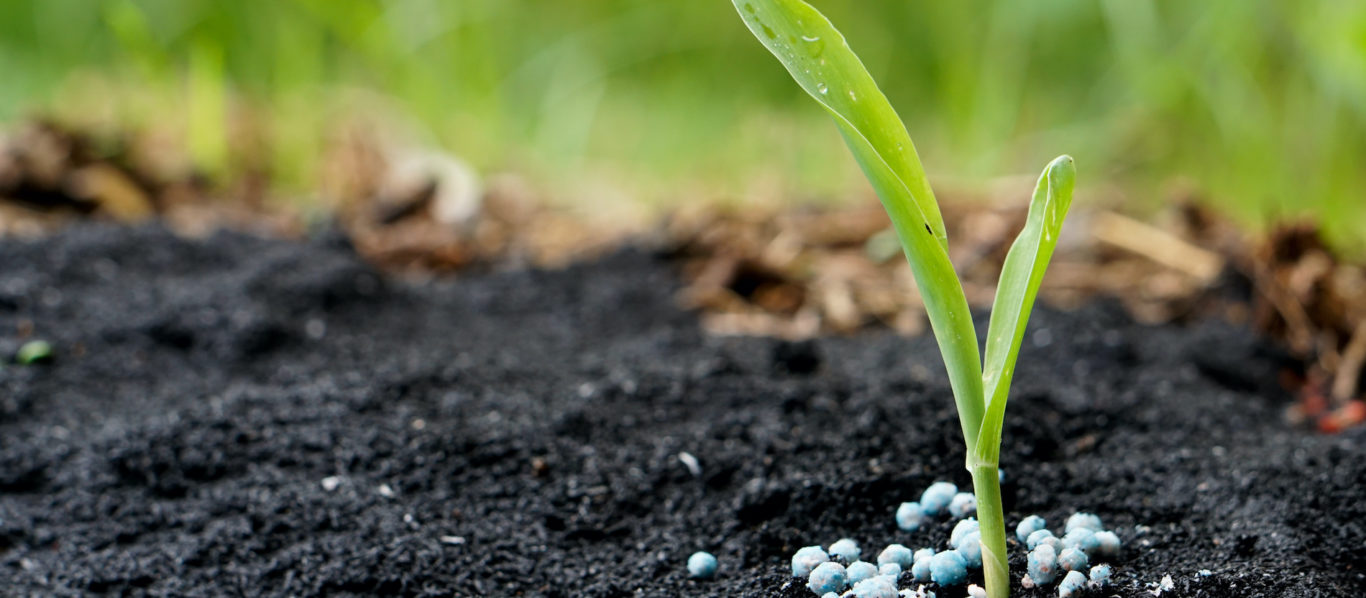
Fertilizer: each and every plant require Nitrogen Phosphorus Potassium to grow and flower and this is also same. Other than this some micronutrients are required from time to time according to the plant conditions. For knowing the basic fertilizer click here.

Other than this sometimes there arises a problem of Growth Retardation for which the best is gibberellic acid which could be found inorganic in market or in water in which cow dung cakes are drowned for at least 7 days.

Crimson Bougainvillea

During repotting a mixture of vermicompost 40%, used tea/coffee leaf 20%, neem cake 20%, bone meal10%, horn meal 5%, egg shell5% could also provide a good result for long time. Here I will recommend to reduce the use of inorganic fertilizers as in the long run it will harm your plants and the unused remaining, by the plant in the soil, will harm the nature.

Pesticides: there is a benefit that this plant seldom attacked by pests and if attacked then it can be easily get rid of by spraying neem oil or providing neem cake in the soil. For Fungus attack you can use any antifungal spray or powder available in the market.

For any further query about your bougainvillea plant comment here.

Mineral Elements Required in Plant Nutrition

Macronutrients:

Nitrogen (N):

Used in larger quantities than any other mineral nutrient. Most frequently deficient for normal growth of non-legumes

Forms taken up by plants: NO3 NH4+

Function in plants:

  • It is part of the amino acids which make up proteins
  • It is part of the chlorophyll molecule

Deficiency symptoms:

  • Plants become stunted and/or become yellow on the older leaves
  • N is mobile in the plant so new leaves may remain green
  • Excess N may delay maturity
  • Cause excess growth and little fruiting on melons and tomatoes. Excessive succulence may make a plant more susceptible to disease or insect attack.

Phosphorus (P):

Forms taken up by plants: H2PO4– primary orthophosphate, H2PO4 secondary orthophosphate

Function in plants:

  •  a part of the protein molecule   
  •  Necessary for transfer of energy during metabolic processes (ATP)    
  • Hastens maturity, promotes good root development, improves growth and cold tolerance, and improves seedling vigour, important in seed and fruit formation.

Deficiency symptoms:

  • Dark green colour
  • Purple cast in corn, lower leaves first because p is mobile.
  • Delay in maturity
  • Failure of seed to form

Potassium (K):

It is used in larger amounts than any other element except N. May have “luxury consumption” plants take up more than is needed. K is not a part of any structural component of the plant. Located in the cell sap as an inorganic salt.

Forms taken up by plants: K+

Function in plants:

  • It is a catalyst in many reactions; carbohydrate, starch and N metabolism
  • Activation of enzymes involved in photosynthesis, and protein and carbohydrate metabolism
  • Adjustment of stomatal movement and water relations
  • Helps disease resistance
  • Increases quality of fruits and vegetables
  • Tips and margins of leaves turn brown. K is mobile so this occurs first on lower leaves.

Deficiency symptoms:

  • Weakening of straw in grain crops (lodging)
  • K is important in preventing non-protein N from accumulating in plants. When this occurs in forages it may be injurious to animals

Micronutrients:

Calcium (Ca):

Forms taken up by plants: Ca++

Function in plants:

  • Calcium gives strength to cell walls
  • Needed for peg development in peanuts
  • Plant root and tip elongation

Deficiency symptoms:

  • Ca is immobile so new growth is affected
  • Failure of terminal buds to develop
  • Symptoms are not usually seen under field conditions because other problems caused by acidity of soil will generally become limiting factors before Ca. That is, liming prevents Ca deficiency from occurring.
  • Blossom end rot of tomatoes is an exception to this generalization

Magnesium (Mg):

Forms taken up by plants: Mg++

Function in plants:

  • A part of the chlorophyll molecule, essential in photosynthesis
  • Related to phosphorus metabolism
  • Large quantities found in seed

Deficiency symptoms:

  • Mg is mobile so symptoms occur first in old leaves.
  • Interveinal chlorosis. A whitish or yellowish striping effect on grasses.
  • Tobacco – referred to as sand drowning.

Sulphur(S):

Forms taken up by plants: sulphate some SO4-2 (Sulphur dioxide through leaves).

Function in plants:

  • A constituent of 3 of the 21 amino acids which form protein cystine, cysteine, and methionine
  • Present in the organic compounds that give the characteristic odours of onion, garlic, and mustard.

Deficiency symptoms:

  • Uniformly chlorate plants which are stunted and spindly. Similar to N deficiency symptoms. It is less mobile than N so deficiency may be more apparent on younger leaves.

Manganese (Mn):

Forms taken up by plants: Mn++, Mn+++

Function in plants:

  • Can be absorbed through the leaves. Required in small quantities – large amounts are toxic (acid soils)
  • Activation of enzyme systems
  • Chlorophyll synthesis

Deficiency symptoms:

  • Mn is immobile – The upper leaves develop yellow streaks.

Iron (Fe):

Forms taken up by plants: Fe++ (ferrous form) Fe+++ (ferric form), Can be taken up by the leaves

Function in plants:

  • A catalyst in the production of chlorophyll
  • Enzyme systems
  • Occur on high ph soils or certain plants
  • Centipede, azaleas.

Deficiency symptoms:

  •  Immobile so deficiency symptoms occur on young leaves. Interveinal chlorosis. Leaves may turn completely white

Copper (Cu):

Forms taken up by plants: Cu+2 can be absorbed through leaves. Very toxic if too much applied.

Function in plants:

  • Copper is a catalyst in chlorophyll formation

Deficiency symptoms:

  • Immobile so upper leaves affected
  • Corn youngest leaves are yellow and stunted
  • Vegetables – plants wilt and develop a bluish green cast.

Zinc (Zn):

Forms taken up by plants: Zn+++ can be taken up through leaves. Toxic except in small   quantities

Function in plants:

  • Activator of enzyme systems
  • Deficiency symptoms:
  • Occurs on younger leaves (immobile)
  • Interveinal chlorosis followed by reduction in rate of shoot growth and shortening of internodes (rosetting)

Boron (B):

Forms taken up by plants: H3BO3 can be taken up through leaves

Function in plants:

  • Can be very toxic if applied to some crops at rates not harmful to others. Deficiency occurs frequently on alfalfa.
  • Germination of pollen grains and growth of pollen tubes

Deficiency symptoms:

Immobile upper leaves affected. Growth of terminal bud stops

Molybdenum (Mo):

Forms taken up by plants: Mo required in smallest amounts of any mineral nutrient. Excess may be toxic to grazing animals. Moo4

Function in plants:

  • It is needed for conversion of NO3- to NH4+ in the plant
  • Required by rhizobia for N fixation in the nodules of legumes

Deficiency symptoms:

  • Interveinal chlorosis
  • With legumes it appears as N deficiency (that’s what it is

Chloride (Cl):

Forms taken up by plants: Cl-

Function in plants:

  • Photosynthetic reactions
  • Reduced root growth in nutrient cultures.

Deficiency symptoms:

  • Excessive quantities has a detrimental effect on quality of potatoes and tobacco storage quality of potatoes reduced. Smoking quality of tobacco lowered.

Silicon:

Needed in small quantities by rhizobia for fixation of N in association with legumes. 8 oz/acre on clover gave response essential in formation of vitamin B-12.

Shown to be essential for a green algae

Not shown to be essential for higher plants but growth increases were shown with asparagus, rice, lettuce, barley, corn.

Functions: may be essential for carbohydrate metabolism in some plants. May substitute for potassium

Increased growth of rice in nutrient cultures. Function unknown.

In short we see:

N – Synthesis of proteins and part of chlorophyll molecule

P – Energy transfer

K – Carbohydrate metabolism, water relations

Mg – Chlorophyll molecule

S – Proteins

Ca – Strength of cell wall

Micronutrients – Enzyme activation

Hope you will benefit from this for any query comment here. And Follow to stay updated about new tips for your garden.

Top 38 Indoor Plants could be grown easily

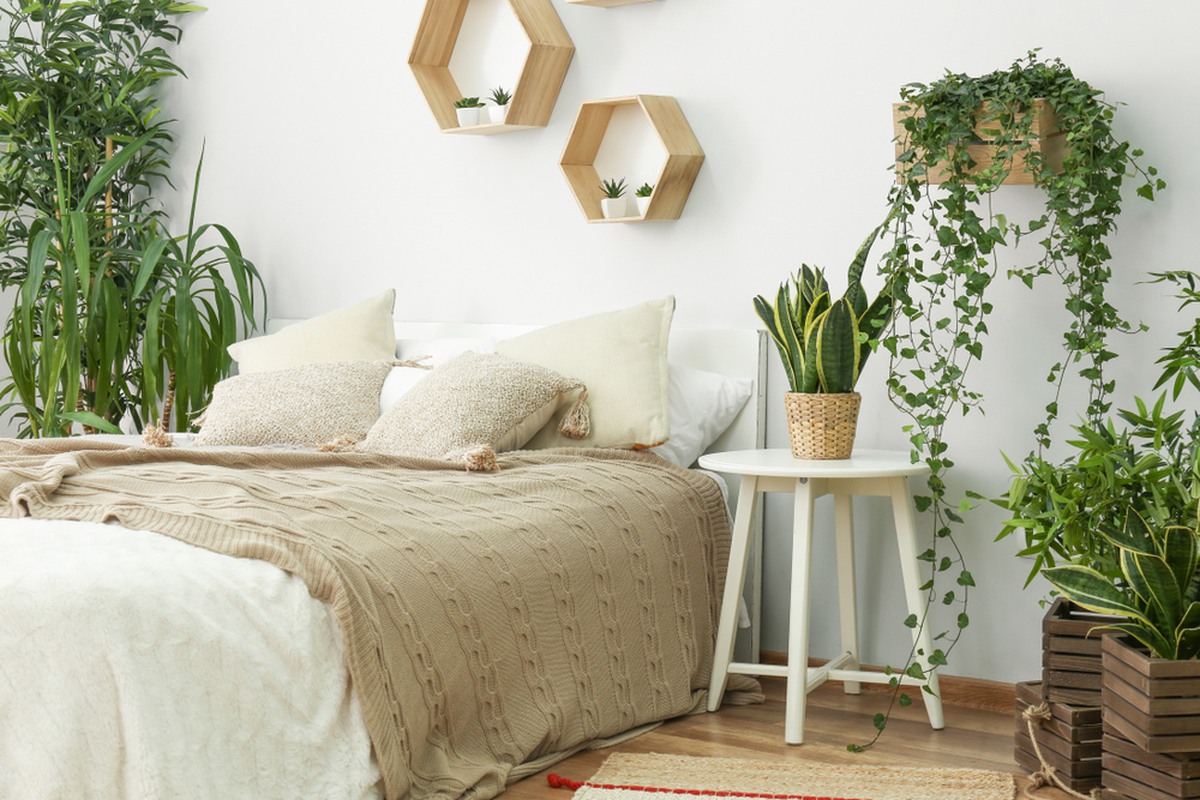
In the world of growing technological developments many of us are aware of ever increasing pollution. And some of them have involved them in various works to reduce outdoor pollution. But we should now look up at the indoors too. There are various pollutants that are being formed at houses. In that case indoor plants are most effective. 

Most of us thinks that indoor plants are too difficult to grow and a lot of care is to be provided to them. But you will be surprised that these are too easy to grow and could be grown by those also who get a very less time to care about the plants. The only thing you need to do is to choose the correct plant. Plants those are under mentioned can be grown easily. For knowing how to grow these plants easily, see my another article Grow Indoor Plants Easily.

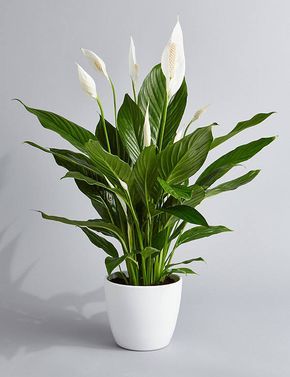
  • Peace Lily
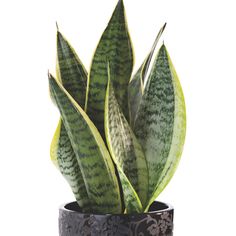
  • Snake Plant (Mother in Law’s Tongue)
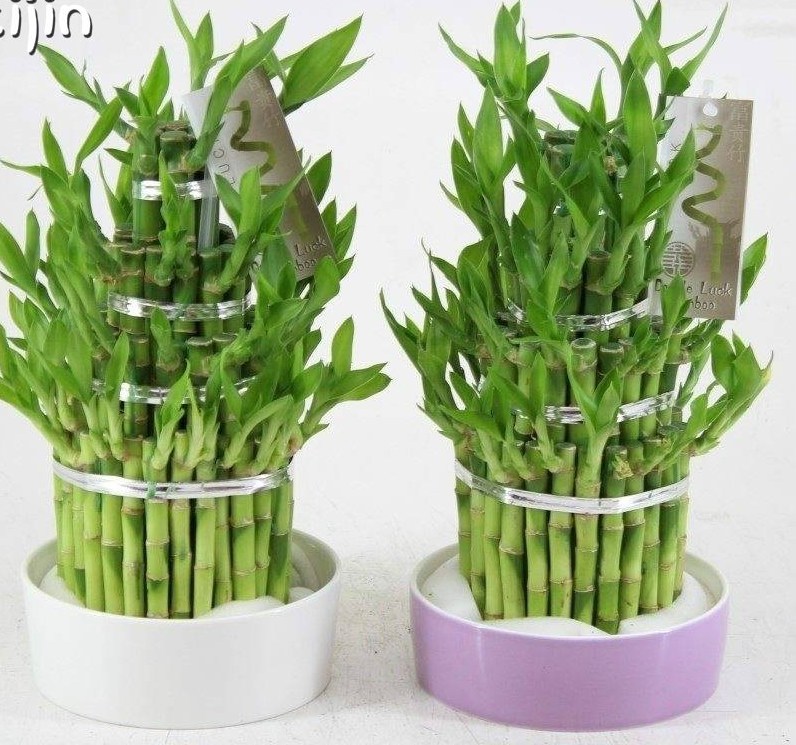
  • Lucky Bamboo
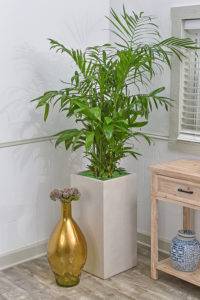
  • Bamboo palm
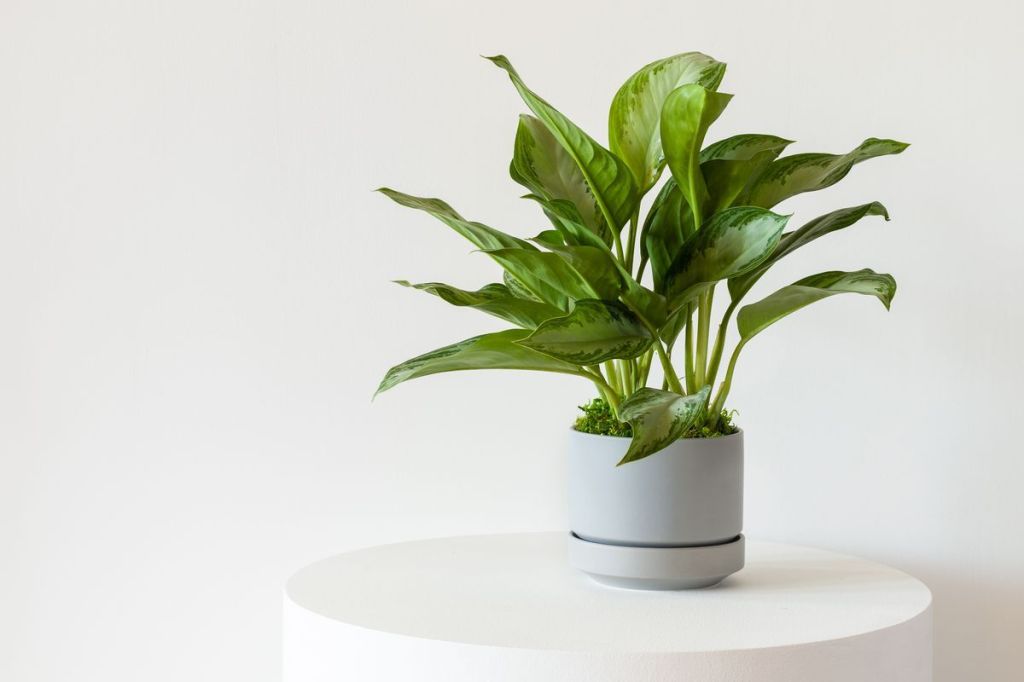
  • Chinese Evergreen 
  • Jade Plant
  • English Ivy
  • Dragon Tree
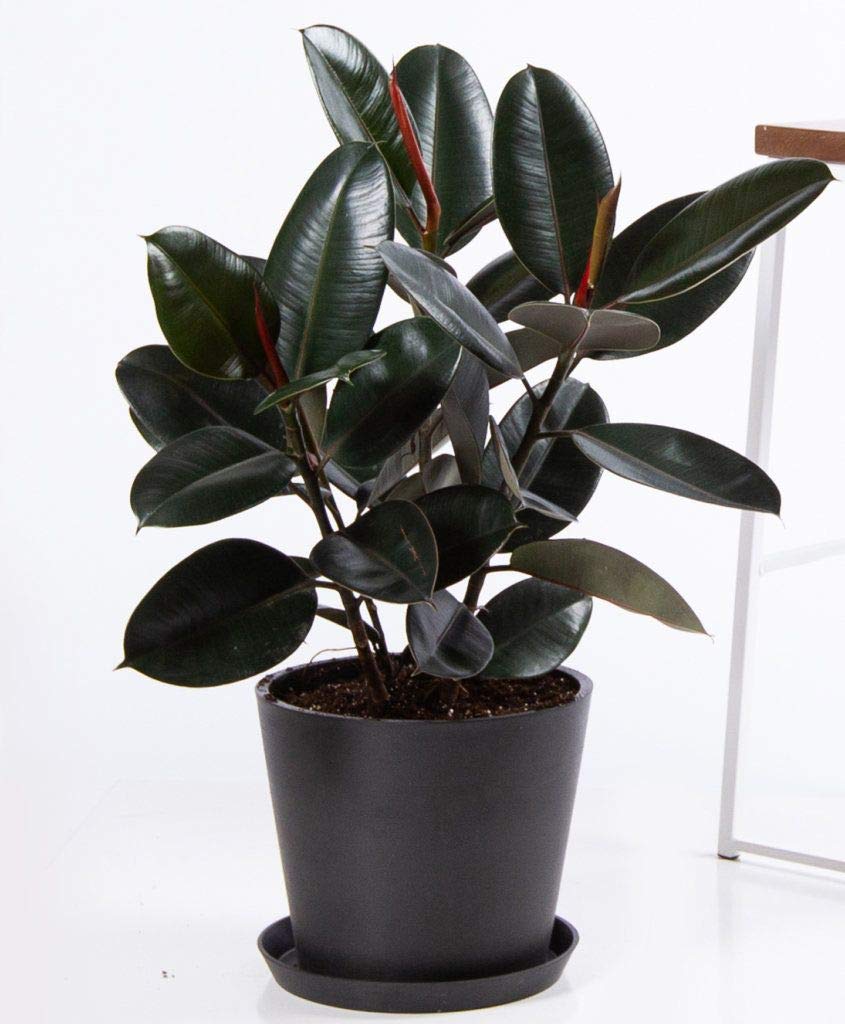
  • Rubber Plant
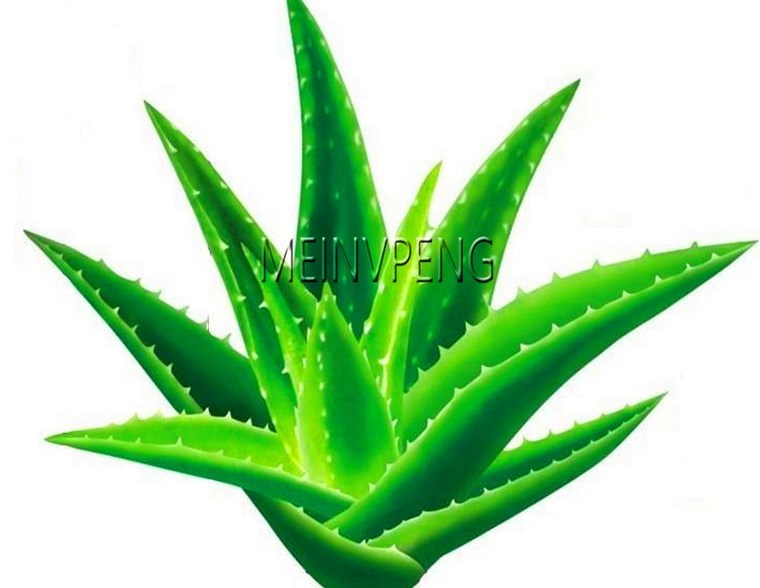
  • Aloe Vera
  • Philodendron 
  • Philodendron Birkin
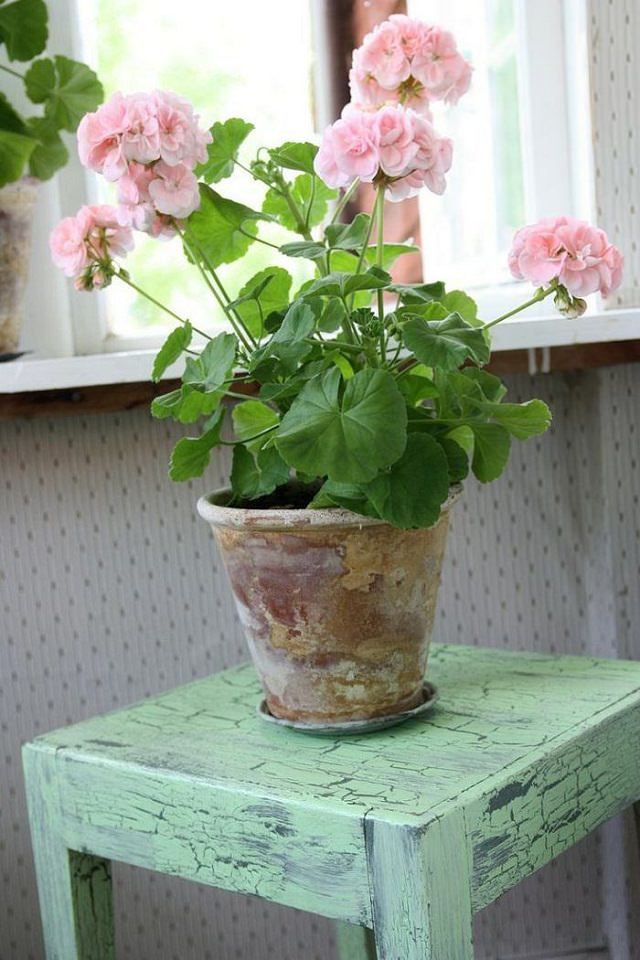
  • Geranium
  • Money Plant
  • African Violet
  • Begonia
  • ZZ Plant 
  • Crown of Thorns
  • Bromeliad
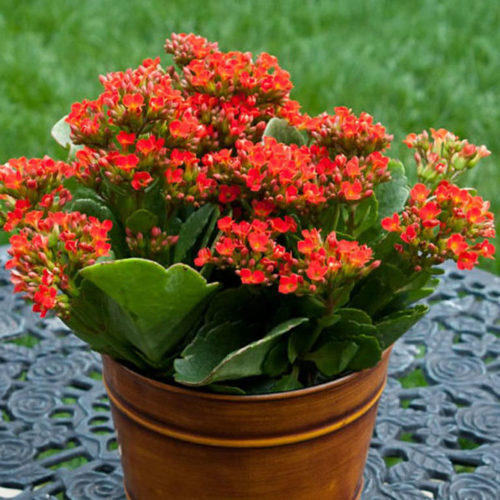
  • Kalanchoe
  • Air Plant
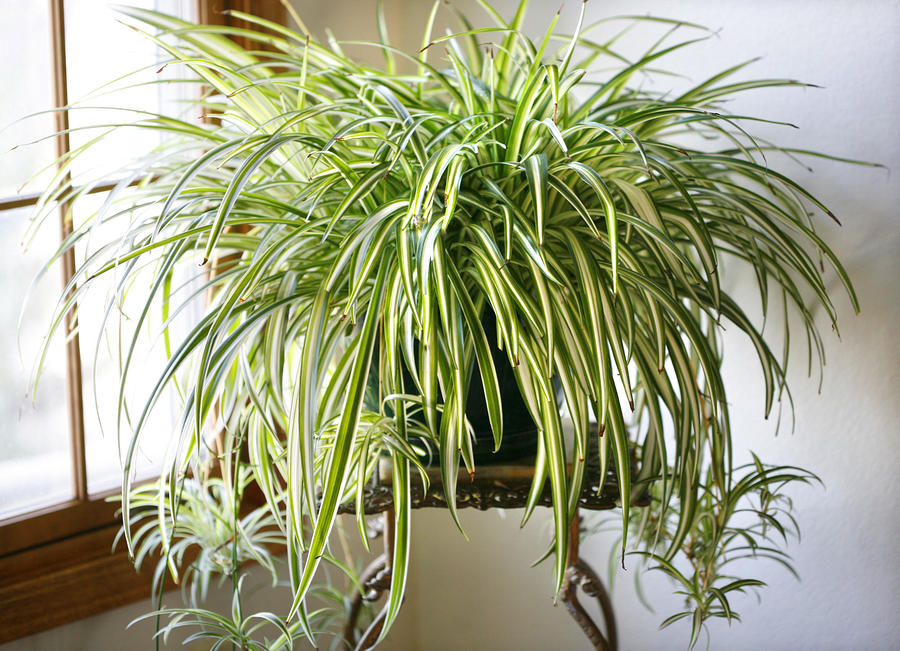
  • Spider Plant 
  • Table Palm
  • Christmas Caclus
  • Ponytail Palm
  • Dieffenbachia 
  • Cast Iron Plant
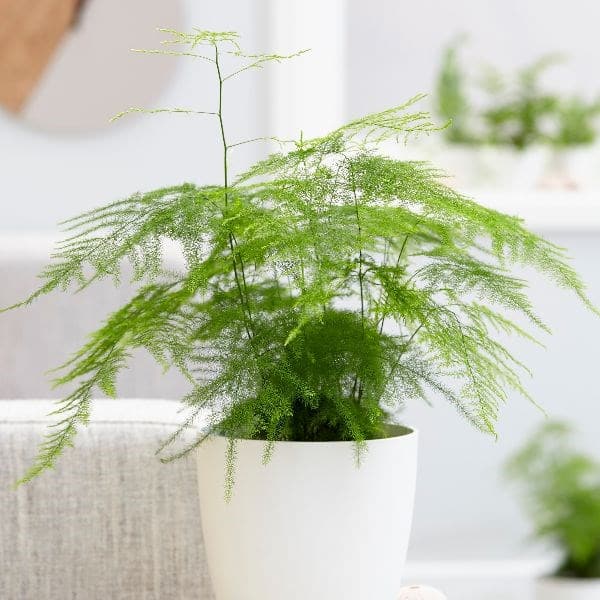
  • Asparagus Fern
  • Fiddle Leaf Fig
  • Schefflera
  • Pleomate
  • Calathea
  • Guiana Chestnut
  • Yucca
  • Peperomia
  • Phalaenopsis Orchid
  • Anthurium
  • Aralia

For more information about the plants comment here.

7 Important Tips To Grow Indoor Plants Easily

In today’s world we are running with an ultra-high speed of technological development. And some where we are forgetting about the nature. So it’s high time now that we think about it and start planting trees. But most of us have a very restricted place to do so. For them indoor plants will be an ideal one.

Benefits

Now a days planting small plants indoor have become a trend. This not only give you a feeling of in-between the nature but also keep the indoors fresh and full of oxygen. For those who lives in regions with high pollution level, must have plants indoor.

What types of plants do you choose?

In case of choosing plants for indoors, you must have some criteria.

  • Shade Lovers: Collect plants that could be grown under shades easily. But for almost every indoor plants you need to provide them partial sunlight once a week. 
  • Oxygen level: Some plants like Aloe Vera or types of snake plants provide a little amount of oxygen even during night time. So choosing that type of plants are good choices.
  • Toxicity: If you have pets or have your children at home then you must have special care as some plants maybe toxic if swollen or eaten. Like money plant or spider plant or some types of succulents.

Best Indoor Plants to grow

According to NASA Report this plants ranks best as indoor plants;

  • Bamboo palm
  • Chinese evergreen
  • English ivy
  • Ficus
  • Gerbera daisy
  • Janet Craig
  • Marginata
  • Mass cane/Corn cane
  • Mother-in-law’s tongue
  • Peace lily
  • Pot mum
  • Warneckei

For more indoor plants to know about see my other article 38 Indoor Plants To Grow.

How to grow them easily.

1. Soil: For indoor plants it is been referred to use mixture of coco peat and compost.

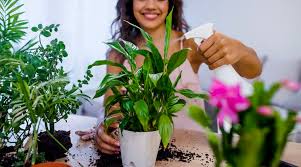
2. Watering: Watering plants doesn’t only mean to pour water in the soil. For indoors watering is proposed to be done by spray.

3. Sunlight: Keep the plants where they could get at least 1 hour of partial sunlight. If not possible keep it outdoors in partial sunlight once a week.

4. Pots: Use plastic pots to avoid messing the room. And should look over the water level in it.

Medicines

Normally indoor plants are less affected by insects. In case insects’ attacks it can be removed by any insecticide neem oil is mostly preferred.

But the most infected diseases are root rot or fungal attack. For that anti-fungal should be used and kept in sunlight (partial or direct as per requirements).

For further information on indoor plants comment here.

Are you doing this to your Plants (Bonsai)?

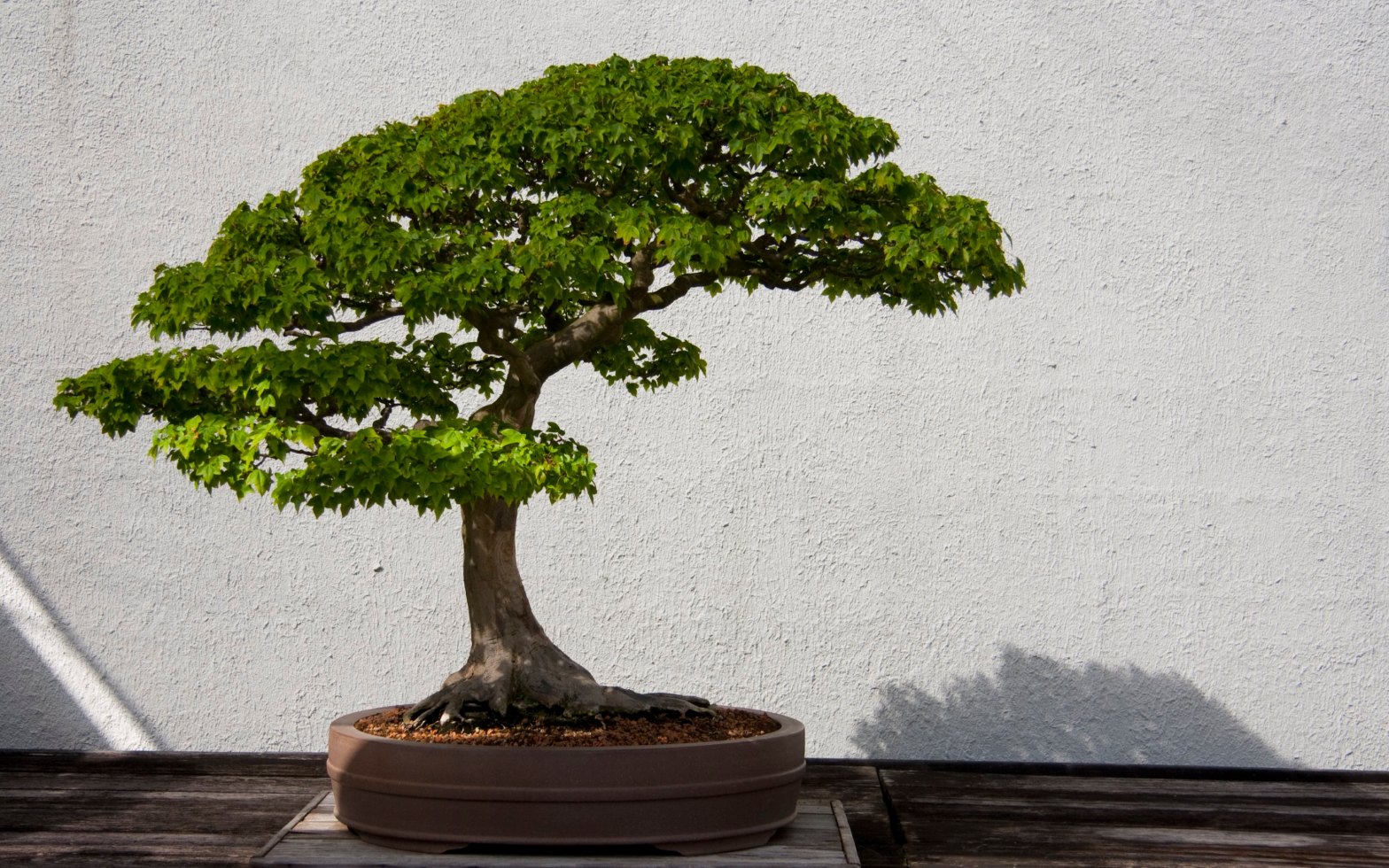
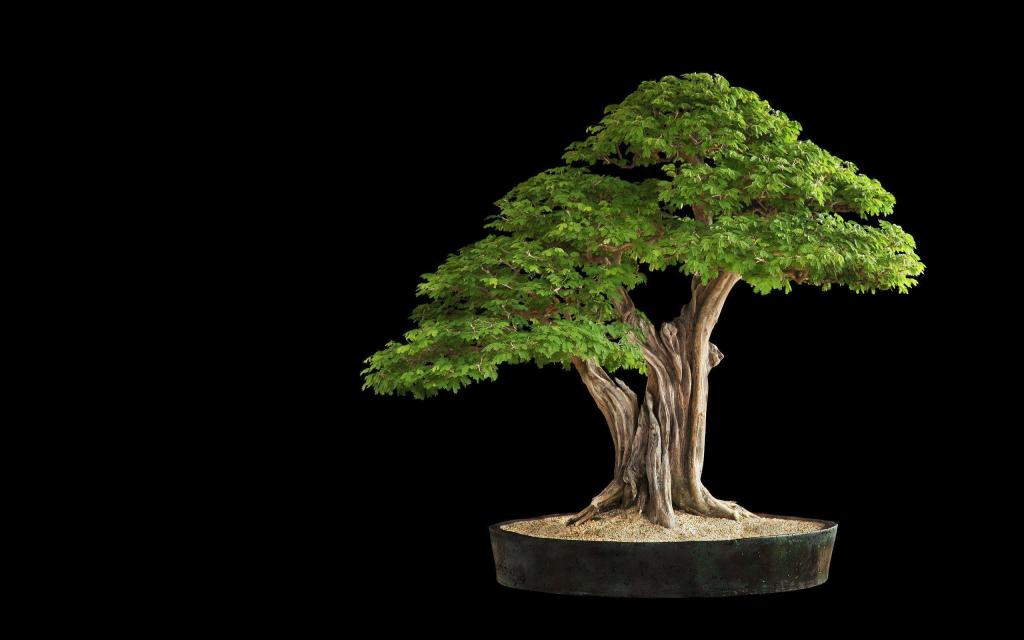
Bonsai is one of the oldest art form of humankind. Though it simply means the art of growing ornamental, artificially dwarf variety of trees and shrubs in pots. But it’s not so easy to grow a bonsai from beginning. After reading this it will be easy for you to make a cool bonsai plant.

Choosing a plant

For making a beautiful bonsai your first work is to choose a plant. For which there are some criteria, such as 

  • The Climate you live in: Climate is the most important factor. You can’t grow a deciduous plant in very hot temperature, or can’t grow an evergreen in extreme cold.
  • Variety of Plants: For beginners it is better to choose dwarf variety plants. But obviously bonsai made with tall variety plants looks gorgeous.
  • Leaves: If you can choose a small leaf variety plant it will look better later. Though you can reduce the leaf size of your plant afterwards.
  • Sunlight: Those plants that require a low sunlight will be difficult to grow in high sunlight areas.
  • Pots: Flat pots are best to grow bonsai. It gives a vintage look.

There are much more but for starters it’s necessary.

How should you care your plant?

“Time and patience are the only thing you need for transforming your regular plant into a bonsai. “

Different plants have different ways to take care about. You should have proper knowledge about your plant you are trying to grow. 

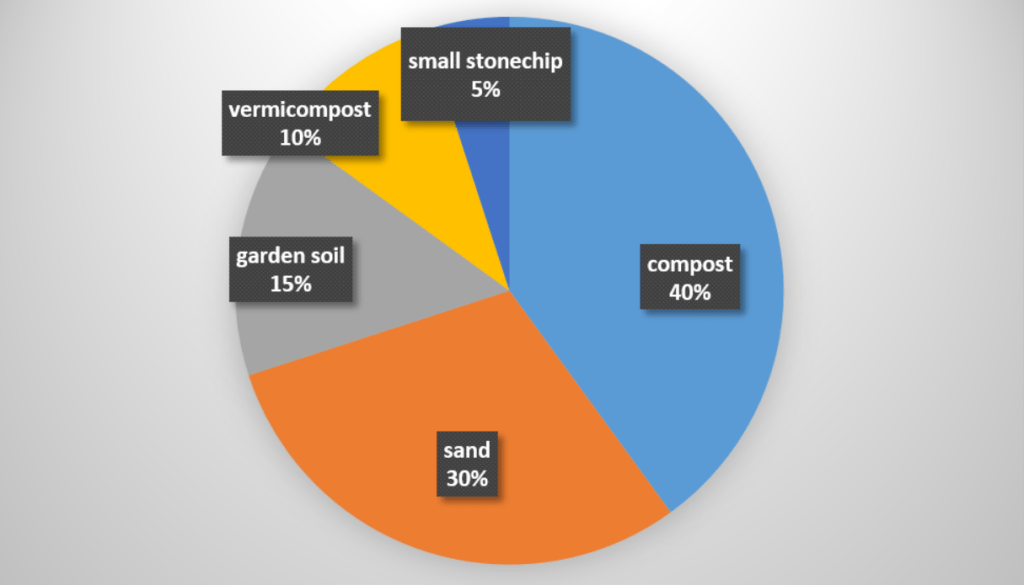
  • Soil: For most of the beginners soil is the most difficult things to choose. Now it depends on what type of plant you are growing. But as a common there should be well drainage. You may use the mixture of approximately 40%compost, 10% vermicompost, (20-30)%sand, 5%small stone chips ( under 10 mm), and (15-25)% garden soil.
  • Drainage: Usually we grow our bonsai in small pots so there should be a well drainage system such that the roots doesn’t rot. For which you have to make holes (as per your pot size) and keep some stone chips on it to make sure it doesn’t cloak.
  • Sunlight: Now sunlight is a big deal for shade lovers you need to grow them not under direct sunlight obviously. But for some plants for which you want to reduce leaf size, you should leave it under direct sunlight such that it could be able to create its required form in small part of its leaf and will not increase its length.
  • Watering: For less rainfall months you need to water regularly. But don’t overwater them. Rather water them twice. And for high rainfall months you should water them when it requires. And sometimes dry up the soil to avoid root rot.

Advanced care

  • Fertilizers: You need to study about your plants what they require. But for bonsai you need to give less fertilizers so as it get stout not grow fast. Sometimes you may use slow fertilizers like bone dust, horn dust or egg shell You should avoid nitrogen base fertilizer and use carbon or potassium based ones. But don’t overfeed them.
  • Root Pruning: You are growing your plants in a pot so you do loosen roots by dig the soil once a month. And in the middle of rainy season you pluck the plant with soil. Trim the roots or rearrange it and again plant it. Don’t disturb the roots too much. You may repot them during this time. And keep watering it daily after this for some days.
  • Shoot Pruning: There are different designs to make with your plants. And for this pruning your stems are important. So whenever you prune keeping mind that cut just over a node or internode, such that it will grow its stem from there. And look that you should cut over a node which is facing the direction in which you want to let it go.
  • Wiring: Sometimes we require to further design our plants. In that case use 6mm aluminium or copper wire but not iron. It is greatly recommended that do the wiring with hand so that you can know the rigidity and strength of the stem, such that it doesn’t break.

Medicines

Pesticides are more or less required to all plants and as per requirements use it over your plants. But what I do is, I have made some neem tree bonsai and kept it in my bonsai collection and for that reason insects are less attracted. Other than neem you may plant any such types of medicinal plants. 

And lastly you should have patience and love for your plants and work you are doing for your plants.

Now it’s very difficult to elaborate everything in one article so to know more follow my website Green Gardens and comments if you have any questions about your bonsai.

Connect with me on: