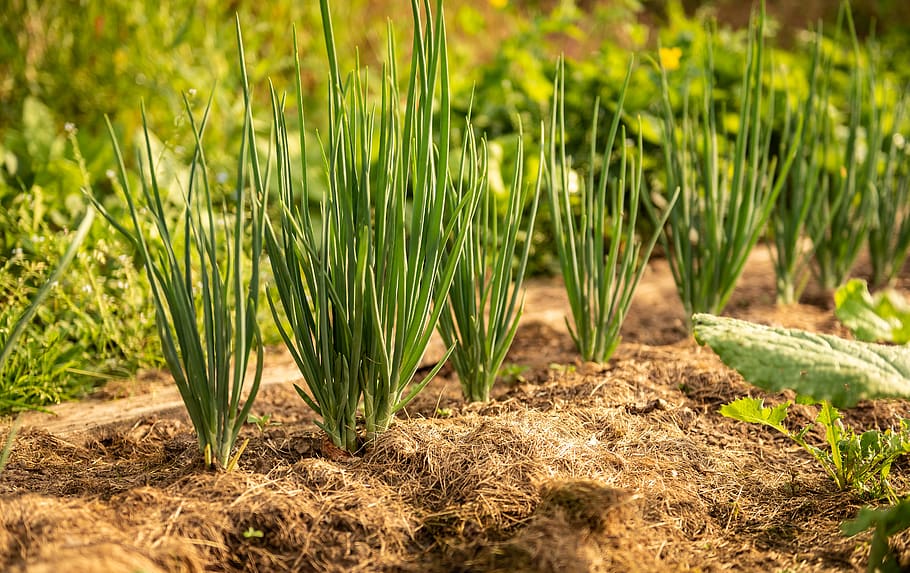
In today’s world of extreme pollution everyone is trying to make a small garden to feel the touch of nature. And in this context there’s a special mention of inflation which has made kitchen gardening a popular one.
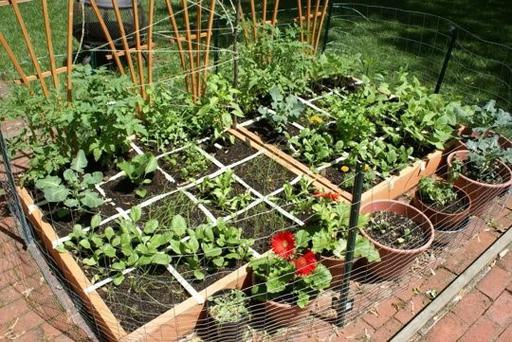
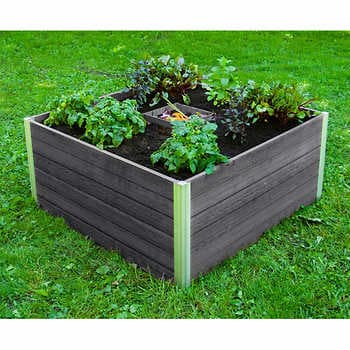
Many people have now stared utilizing their backyard or their garden to evolve it into a small kitchen garden. Those who don’t have such places are even making temporary garden beds.
Nowadays peoples have also started terrace farming and vertical farming which maybe a related idea for kitchen gardens.
What could be grown?
There are a large variety of plants that could be grown in garden beds, most common are pumpkin, eggplant, carrots, radish, beans, onion etc. anyone could also grow a variety of seasonal flowers in the temporary beds. Moreover some medicinal herbs could also be grown.
How to preparing a garden bed:
Kitchen garden beds are mainly for small lifespan plants and hence are temporary in use. For this reason it should be provided with high level of organic manures or nutrition to get a good outcome, even in the long term.
- Soil: For preparing soil for kitchen gardens you should use organic ingredients. Firstly if you have a bed on ground then take out some soil and put some kitchen wastes in it and cover it up. If you have a bed made as an elevated temporary garden bed then apply a layer of soil then add a layer of kitchen waste and then add another layer of soil on it. And for soil it is better to use compost, vermicompost or cow dung manure.
- Fertilizers: The use of inorganic fertilizers will have a quick result. But this will not be the best for you, your plants and causes fertility loss. So the best thing will be to go organic. A plant mainly require nitrogen as its macronutrient along with potassium, phosphorus, carbon and also magnesium, zinc, iron in small amounts as micro nutrients. And any one could make an organic mix by decomposing kitchen waste in a jar or drum, and use the liquid as a fertilizer.
- Pesticides: In case of garden beds pesticides are generally required and for this neem cake mixed with soil is best. One most important problem is ants. For this you may apply any type of ant repellent that doesn’t harm your plants.
- Precautions: As they are basically small in size the watering must be done in a regular way but never overwater. Refresh the soil with lime and add new nutrients, before every growing seasons.
So let’s grow a small piece of garden in a temporary bed this summer and comment under to know more. And Follow GreenGardens to stay updated about new tips for your garden.
 Green Gardens